
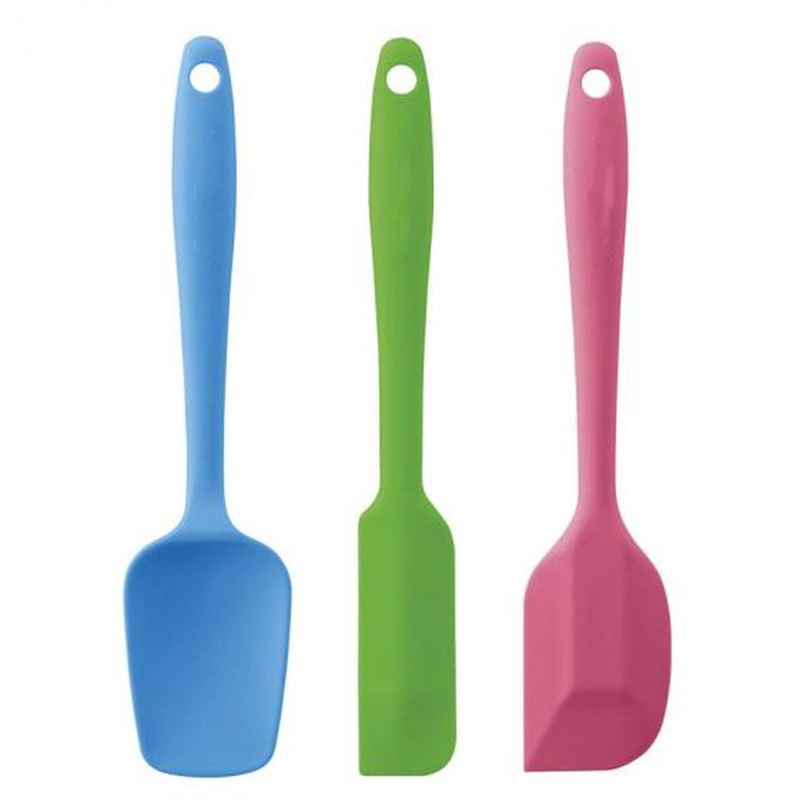
At Siliconepartner, we’re asked every day: which spatula material is truly the healthiest for cooking and for commercial production? For professional buyers — product developers, procurement teams, and private-label brands — that answer needs to balance food safety, durability, manufacturing practicality, and cost. Below I break down common materials, their health and performance profiles, and why food-grade silicone is usually the best choice for modern spatulas — especially when you need custom parts, OEM service, and high quality from a reliable manufacturer.
Why material choice matters
Material affects:
- Food safety (chemical inertness, leaching risk)
- Heat resistance (will it melt or off-gas?)
- Surface interaction (non-scratch vs. abrasive)
- Cleanability (dishwasher safe? porous?)
- Manufacturing complexity and cost (tooling, cycle time, suppliers)
Common spatula materials — pros & cons
- Stainless steel
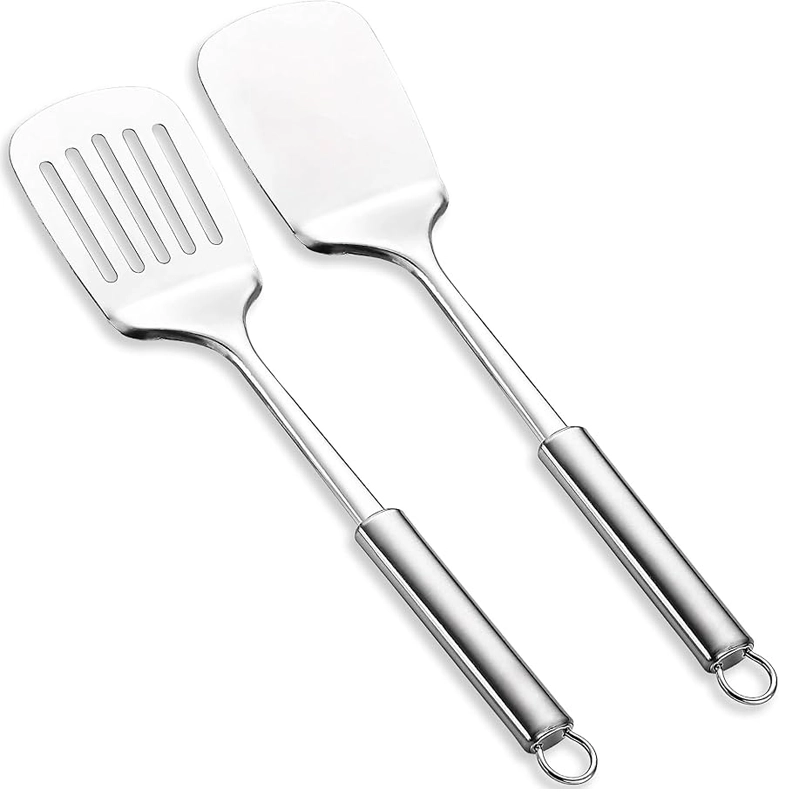
Pros: extremely durable, non-porous, inert, dishwasher-safe, long lifespan.
Cons: poor for nonstick cookware (scratches), can be uncomfortable in cold or hot hands without overmolding, heavier, limited color/customization options. For OEM work a stainless part often requires secondary assembly (handle overmolding) which increases cost. - Wood (and bamboo)
Pros: natural, pleasant aesthetic, low thermal conductivity.
Cons: porous (can harbor bacteria if not sealed), harder to clean, can warp or splinter over time. Not ideal for high-volume, hygienic kitchenware manufacturing where consistent surface finish is required. - Nylon / Thermoplastics (PA, PBT, etc.)
Pros: inexpensive, rigid or semi-flexible variants, easy injection molding with short cycles.
Cons: lower heat resistance than silicone — can melt or release odor at high temps. Some nylons can leach if not food-grade certified. Typically cheaper but less durable against high heat and oils. - Fiberglass-reinforced plastics
Pros: high strength and heat tolerance compared to plain nylon.
Cons: potential for fiberglass exposure if the surface degrades; not ideal for direct food contact surfaces where softness is desired. - Cast or molded silicone (food-grade)
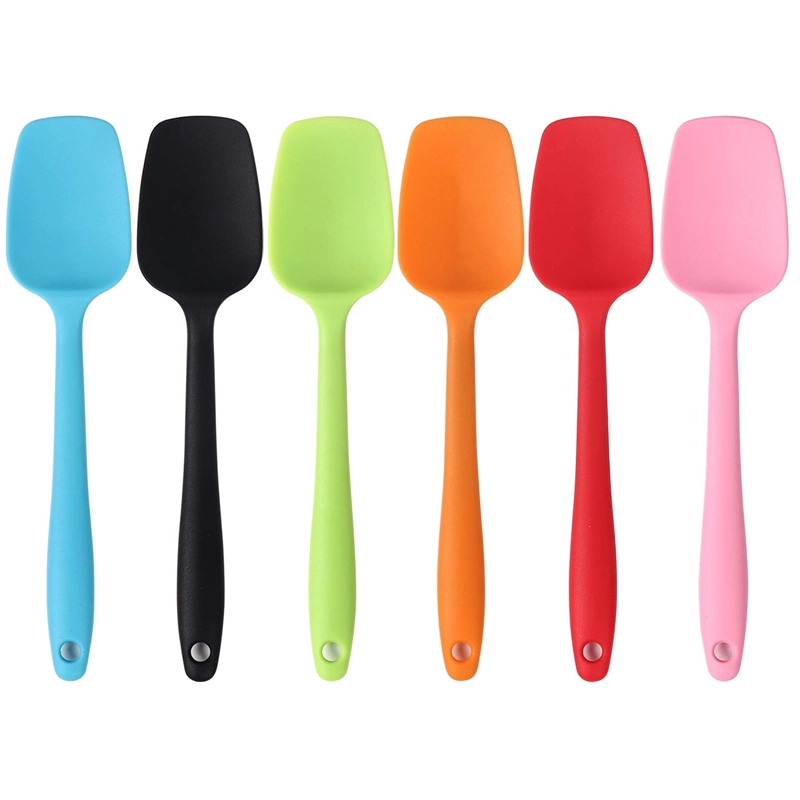
Pros: excellent heat resistance (depending on grade), non-stick, flexible yet resilient, soft on cookware, non-porous, easy to clean, available in many colors, and compatible with dishwasher use. Food-grade silicone (FDA, LFGB compliant) is chemically inert and unlikely to leach. Silicone tolerates repeated flexing without fatigue, and it can be manufactured as one-piece parts or overmolded onto cores for hybrid designs.
Cons: higher tooling cost for complex parts compared to simple thermoplastic injection molds; material cost can be higher than basic nylon. But when balanced against longevity and premium positioning, silicone often delivers stronger total value.
Why silicone often wins for health + B2B manufacturing
From a health perspective, certified food-grade silicone is inert, BPA-free, and resists staining and odors. Unlike porous woods or some lower-grade plastics, properly formulated silicone doesn’t support bacterial growth and is easy to sanitize.
From a manufacturing viewpoint, silicone offers enormous flexibility for OEMs and brands:
- Liquid Silicone Rubber (LSR) injection molding provides fast cycle times for high volume, tight tolerances, and complex geometries. LSR is ideal for one-piece spatulas with integrated handles.
- High-temperature Vulcanized (HTV) silicone is used for compression or transfer molding for thicker or specialty parts.
- Overmolding silicone onto stainless steel cores gives the user the rigidity of metal with the soft, non-scratch surface they want. This hybrid approach is popular for premium spatulas.
- Color matching, durometer control (softness/firmness), and surface finish options are mature — letting brands achieve consistent, high-quality products.
Key production & quality control steps
- Material selection and certification: insist on FDA/LFGB/other food-contact certificates from your supplier.
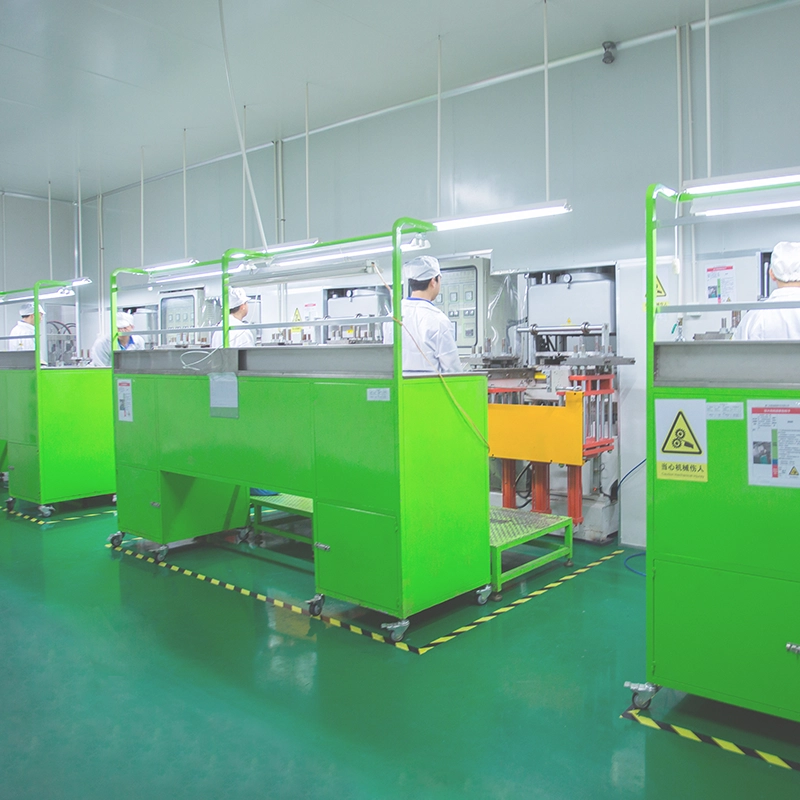
- Tooling: CNC-machined molds, EDM finishing, and surface polishing — crucial for consistent part release and edge finish.
- Process: LSR injection molding, compression molding, or overmolding operations should be validated with process capability studies.
- Post-processing: flash trimming, bonding (if hybrid), and surface cleaning.
- Testing: heat resistance testing, migration/leach testing per regulatory standards, dishwasher cycle tests, and mechanical life testing.
- Traceability: lot tracking for raw materials and finished batches, plus inspection records for each production run. These are must-have items when you’re sourcing for retail or foodservice.
Working with suppliers, factories, and OEM service providers
When you’re sourcing spatulas at scale, look for partners who combine design support with manufacturing competence: rapid prototyping (3D printing for concept validation), DFM reviews, moldflow analysis, and sample iterations. A professional manufacturer will provide:
- Clear MOQ and pricing tiers
- Tooling cost estimates and lead times
- Certifications and lab test reports
- Packaging and private-labeling options
- Post-sales support for recalls, warranty claims, or iterative improvements
Custom silicone spatulate solutions
If you need tailored solutions — shapes, lengths, logos, or colors — search for suppliers offering “custom silicone spatulate” capabilities with full OEM service. A good manufacturer will guide you from concept to finished product including material selection, tooling, pilot runs, and mass manufacturing.
Conclsuion
For most modern kitchens and for brands seeking a balance of safety, performance, and premium feel, food-grade silicone is the healthiest and most practical material for spatulas. It combines low risk of leaching, excellent heat performance, and consumer-friendly properties (non-stick, non-scratch, dishwasher-safe). For OEMs and B2B procurement teams, silicone enables flexible product design and reliable mass production when you work with experienced suppliers and factories.
Want to explore custom options or request samples? Tell us about your target volume, preferred material grade, and whether you need hybrid designs (e.g., stainless core + silicone overmold). We’ll advise on tooling, expected lead times, certifications, and a competitive quote — let’s build something high quality together.