
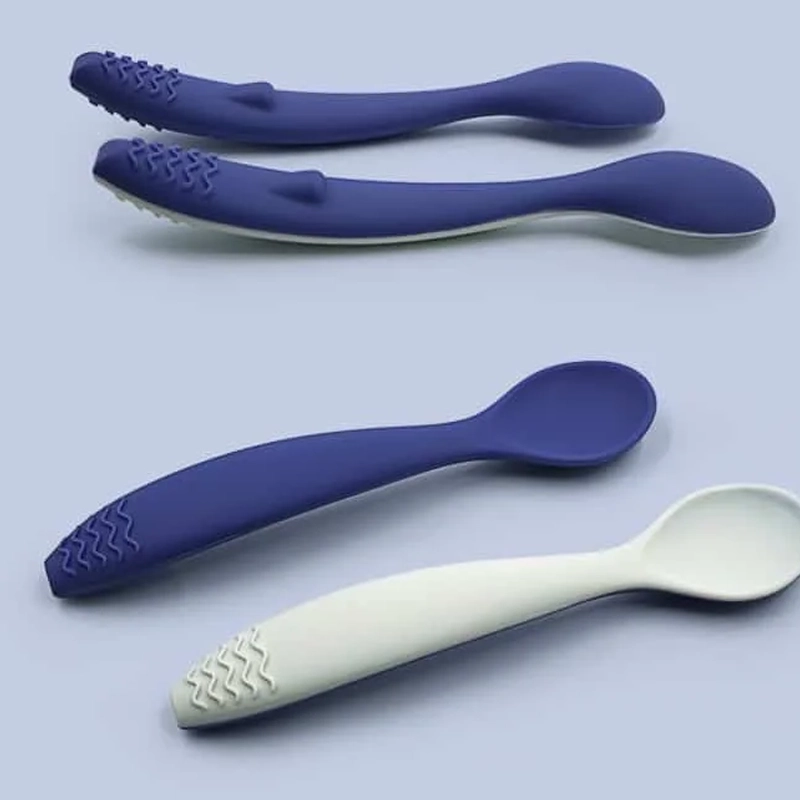
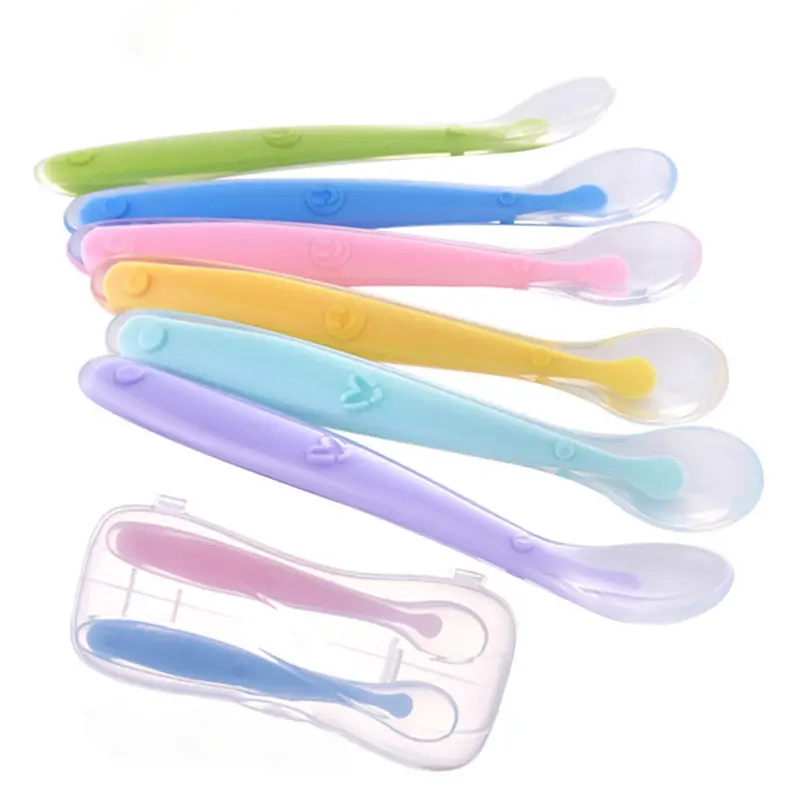
At Siliconepartner, we work closely with global brands, retailers, and distributors that require safe and reliable custom silicone spoons for infants and toddlers. Baby feeding products must meet extremely high standards for hygiene, durability, and safety. While silicone spoons are known for being soft, flexible, and baby-friendly, proper production control and maintenance practices are essential to ensure long-term safety and performance.
From raw material selection to quality testing, storage, and ongoing product improvements, every stage plays a role in maintaining the integrity of baby silicone spoons. For companies sourcing from professional suppliers and experienced manufacturer partners, understanding these processes helps ensure that the final product remains safe for infants and trustworthy for parents.
This guide explains the key steps involved in producing and maintaining baby silicone spoons so they remain hygienic, durable, and safe throughout their lifecycle.
1. Raw Material Selection
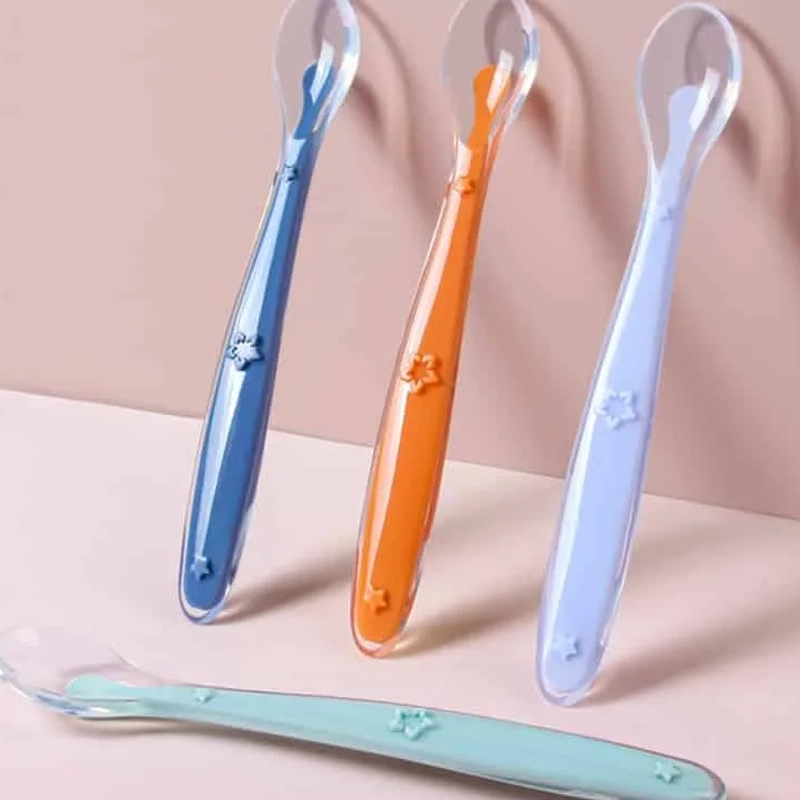
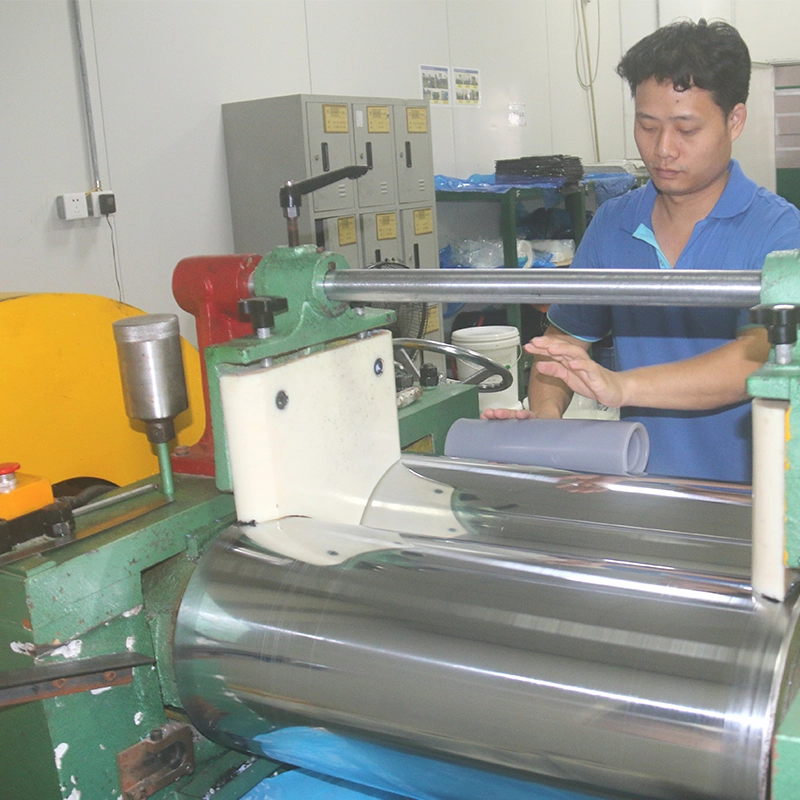
The foundation of a safe baby silicone spoon begins with the selection of raw materials. High-quality silicone used in baby products is typically food-grade or medical-grade silicone that meets strict regulatory standards.
A responsible manufacturer will ensure that silicone compounds are free from harmful substances and are stable under typical feeding temperatures. Since babies often chew on spoons while eating, the material must be soft enough to protect delicate gums while remaining durable enough to withstand repeated use.
Material selection also influences:
- Flexibility and softness
- Heat resistance
- Chemical stability
- Odor and taste neutrality
At a professional factory, incoming raw materials are usually inspected and verified before entering production. Working with reliable suppliers ensures consistent material quality and traceability.
For brands developing custom silicone spoons, this step is critical because it determines the overall safety and user experience of the final product.
2. Production Process Control
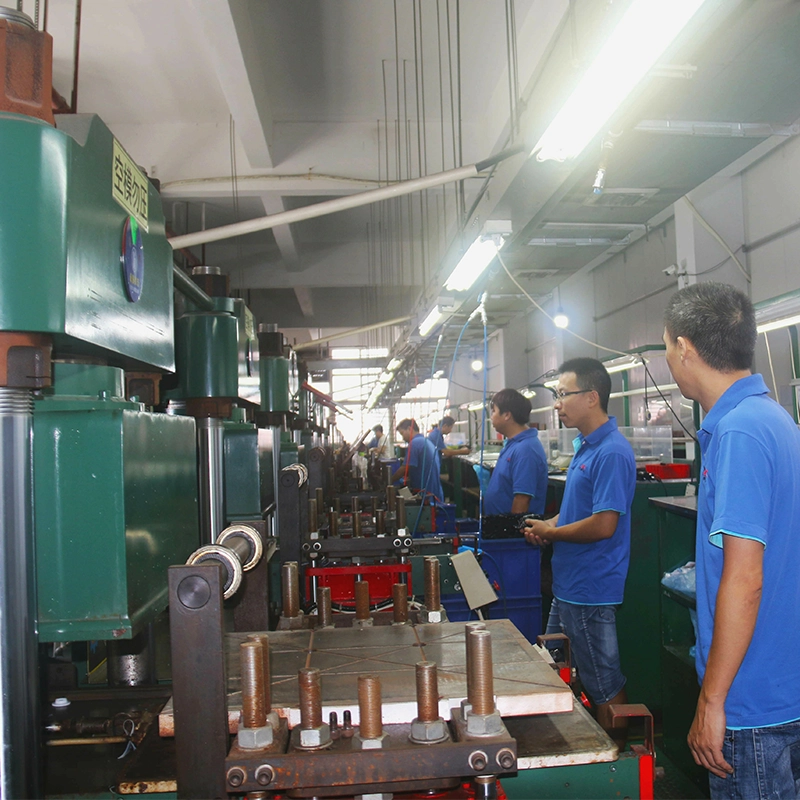
Once the raw materials are confirmed, strict manufacturing controls are required to produce baby silicone spoons that meet high safety standards. Each stage of production must be carefully monitored to maintain product consistency and cleanliness.
Molding
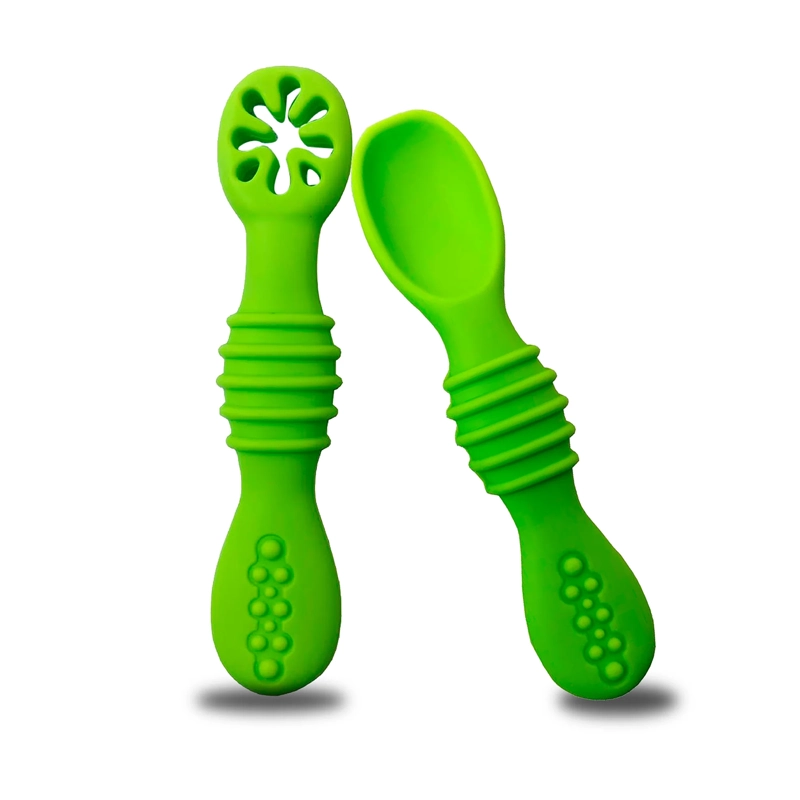
The molding process shapes the silicone into the final spoon structure. Compression molding or liquid silicone injection molding may be used depending on the design and production volume.
Precision molds ensure that the spoon has smooth edges, appropriate thickness, and a comfortable shape for babies to use. A reliable factory will carefully control temperature, pressure, and curing time to produce spoons with consistent structure and durability.
Good mold design also prevents defects such as bubbles, uneven thickness, or structural weakness.
Trimming
After molding, excess silicone material around the edges is removed through a trimming process. This step is essential for achieving a clean appearance and safe edges that will not irritate a baby’s mouth.
Trimming may be done manually or with specialized equipment depending on production requirements. Quality inspection is often conducted during this stage to ensure that each spoon meets dimensional and visual standards.
Printing and Decoration
Some brands request printed logos, measurement marks, or decorative elements as part of their OEM service requirements. Printing processes must use food-safe inks and stable curing methods to ensure that decorations remain durable and non-toxic.
A responsible manufacturer will verify that all decorative processes meet safety regulations for infant products.
3. Quality Testing
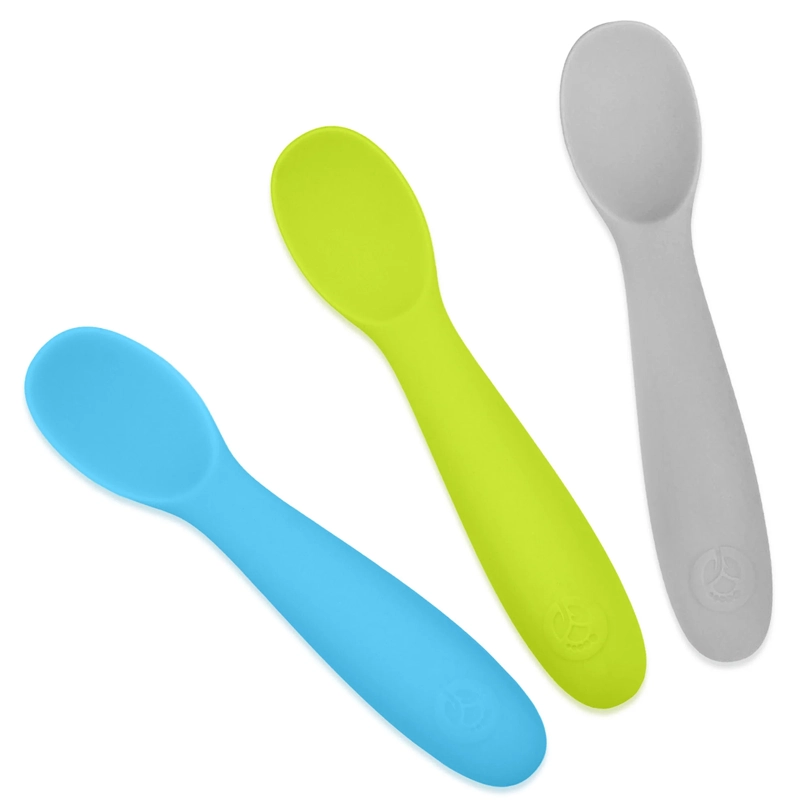
Quality testing is one of the most important steps in maintaining the safety and reliability of baby silicone spoons. Testing helps confirm that the product performs correctly under normal use conditions.
Physical Property Testing
Physical tests evaluate the mechanical strength and durability of the spoon. These tests may include:
- Tensile strength evaluation
- Tear resistance testing
- Flexibility and deformation checks
- Heat resistance verification
These tests help ensure that the spoon will not crack, tear, or degrade during everyday feeding use.
Chemical Testing
Chemical testing verifies that the silicone material does not release harmful substances when exposed to food, heat, or cleaning processes. Testing may include migration analysis or material composition verification.
For baby products, chemical safety is a top priority. Professional suppliers will conduct these tests to ensure compliance with international safety requirements.
Safety Testing
Additional safety testing ensures that the spoon is suitable for infants. This may include checks for sharp edges, choking hazards, and structural durability.
A high-quality baby spoon should remain safe even when repeatedly bent, chewed, or dropped during normal use.
4. Storage and Transportation
Proper handling after production is also essential to maintain product safety and quality. Even the best-made silicone spoons can be compromised if storage and shipping conditions are not properly controlled.
Storage
In the factory, finished silicone spoons should be stored in clean, dry environments away from contamination sources. Proper packaging helps protect the spoons from dust, moisture, and environmental exposure.
Maintaining controlled storage conditions ensures that the products remain hygienic before shipment.
Transportation
During transportation, packaging must protect the spoons from physical damage and contamination. Reliable suppliers use sealed packaging, protective cartons, and stable logistics processes to maintain product quality during delivery.
For international shipments, careful packaging also prevents deformation caused by pressure or long transit times.
5. Customer Feedback and Continuous Improvement
Long-term product safety also depends on feedback from real-world use. Customer feedback provides valuable insights into product performance, usability, and durability.
At Siliconepartner, we work closely with clients to gather feedback from distributors, retailers, and end users. This information helps improve product design, refine manufacturing processes, and enhance overall product reliability.
Continuous improvement may involve:
- Adjusting spoon thickness or flexibility
- Improving surface texture for better grip
- Enhancing durability and wear resistance
- Refining packaging and branding
By working collaboratively with clients, a professional manufacturer can deliver safer and more effective baby feeding products over time.
Conclusion
Maintaining the long-term safety of a baby silicone spoon requires attention to every stage of its lifecycle—from raw material selection and production control to testing, storage, and customer feedback.
When produced correctly, silicone spoons offer excellent softness, durability, and safety for infant feeding. However, these benefits depend heavily on the expertise of the manufacturer, the reliability of suppliers, and the production standards of the factory.
At Siliconepartner, we specialize in producing custom silicone spoons for global baby product brands. Through our comprehensive OEM service, we support customers from product design and tooling to manufacturing, quality control, and delivery.
If you are developing a new baby feeding product or searching for a reliable production partner, we would be happy to assist. Feel free to contact our team to discuss your project requirements and explore how we can help bring your product to market with safety and quality in mind.