
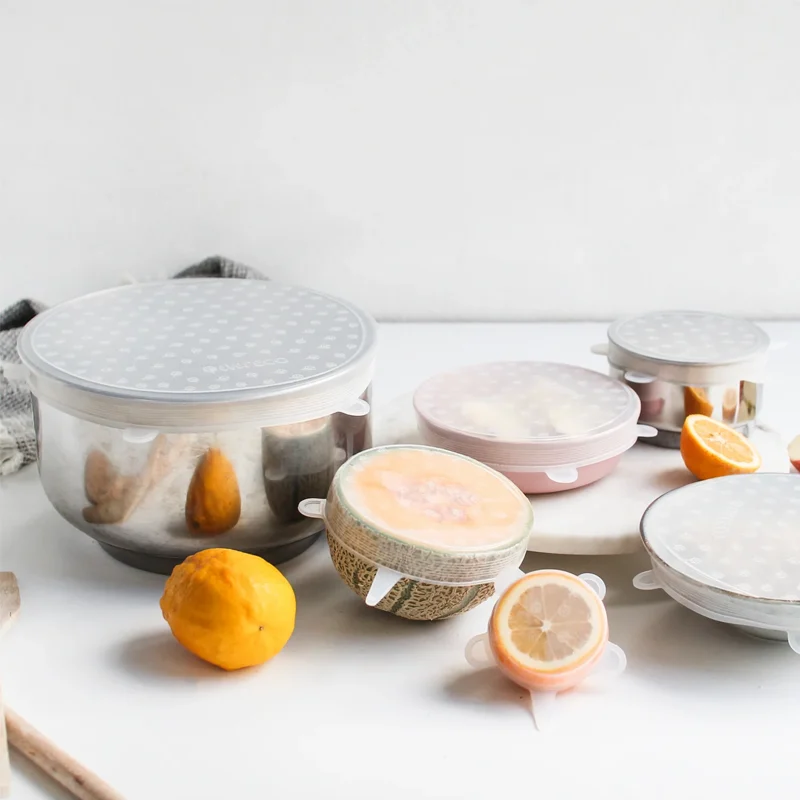
In modern kitchenware sourcing, silicone food covers have become a widely adopted solution for heat-resistant, reusable food storage and microwave protection. For brands and procurement teams, understanding their microwave compatibility is essential for product safety, compliance, and user experience.
Understanding Silicone: What Makes It Unique?
Silicone is a polymer-based elastomer known for its flexibility, thermal stability, and food-grade safety. Unlike plastic, it does not easily deform under heat, making it suitable for repeated microwave use when properly manufactured.
In B2B production, performance depends heavily on formulation quality, curing process, and compliance with food-contact regulations.
Are Silicone Covers Microwave Safe?
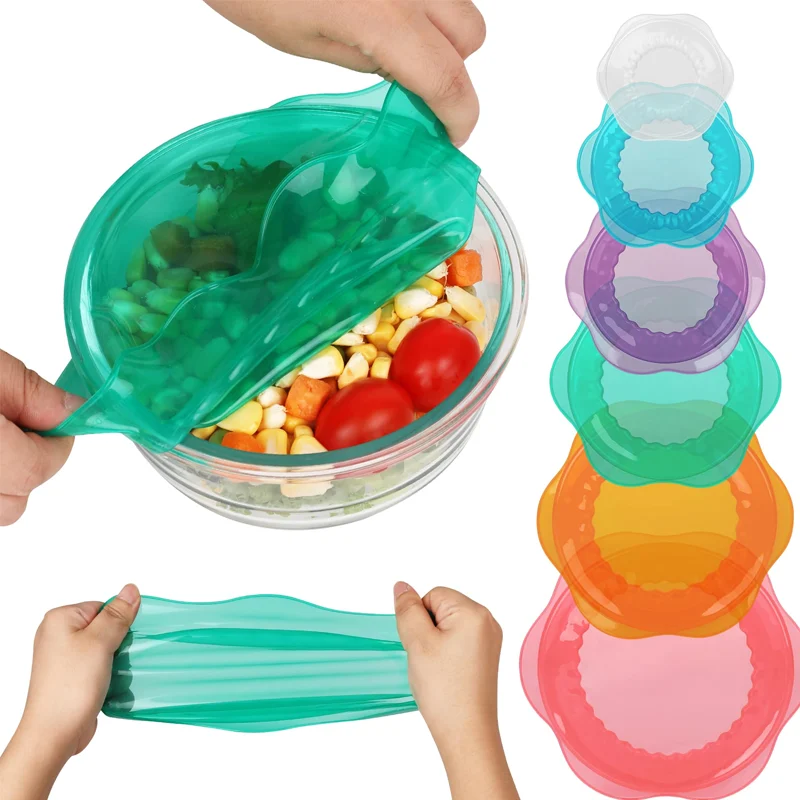
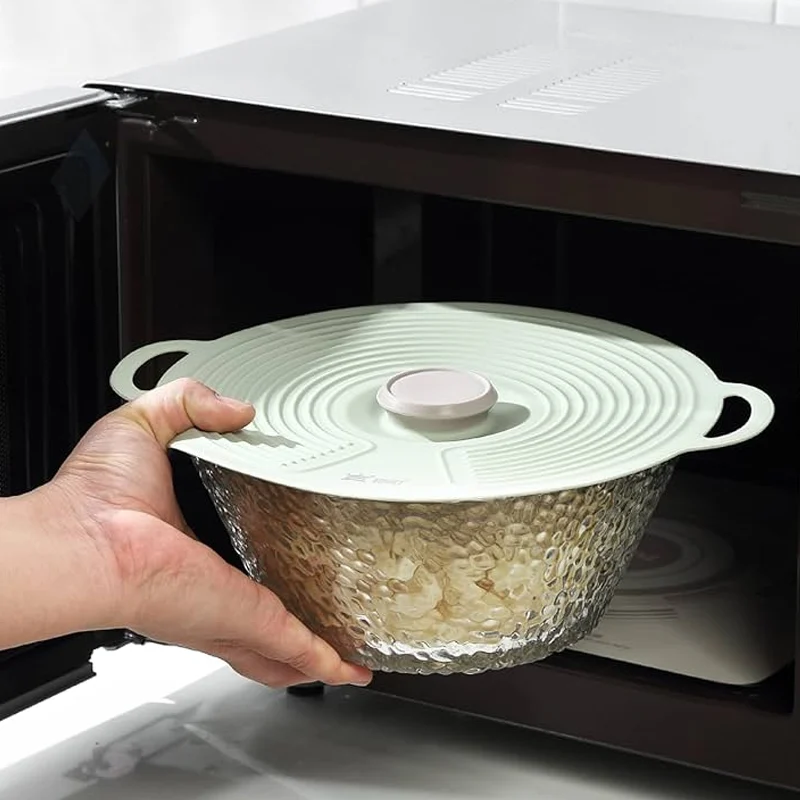
Most high-quality silicone lids and silicone food lids are microwave safe when produced using food-grade silicone.
High Heat Tolerance
Premium silicone typically withstands temperatures from -40°C to 230°C, making it stable in microwave heating environments.
Food Safety Standards
Certified silicone materials (FDA, LFGB) ensure no harmful substances migrate into food during heating.
Considerations for Using Silicone Covers in the Microwave
Check for Verified Safety Marks
Always confirm FDA or LFGB compliance before commercial distribution.
Avoid Contaminated Silicone Products
Low-grade fillers can degrade under heat and compromise safety.
Temperature Guidelines
Even heat-resistant silicone covers should not exceed recommended limits for prolonged exposure.
Benefits of Using Silicone Covers in the Microwave
Versatility
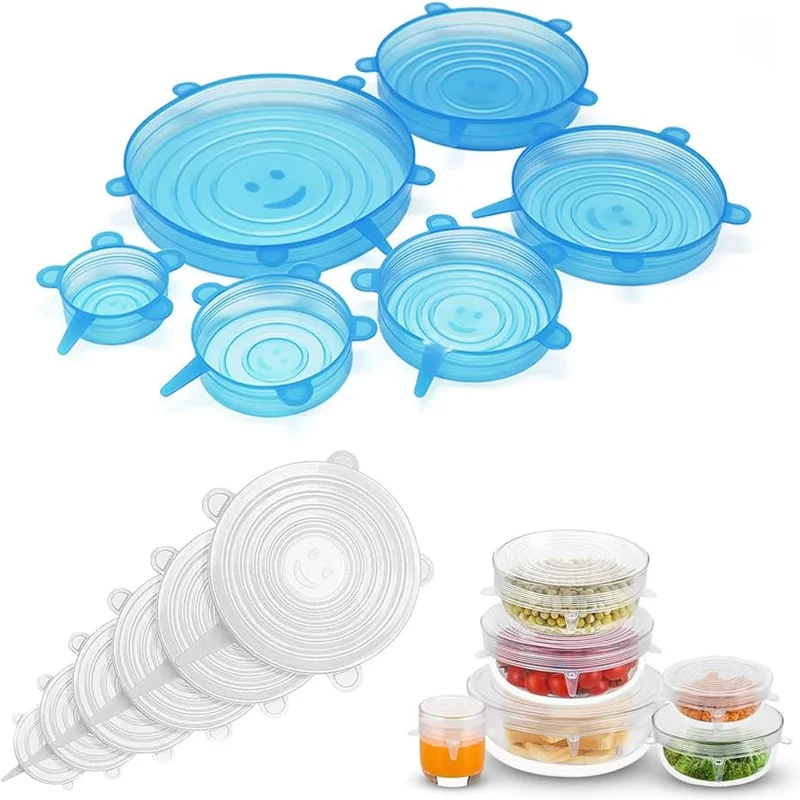
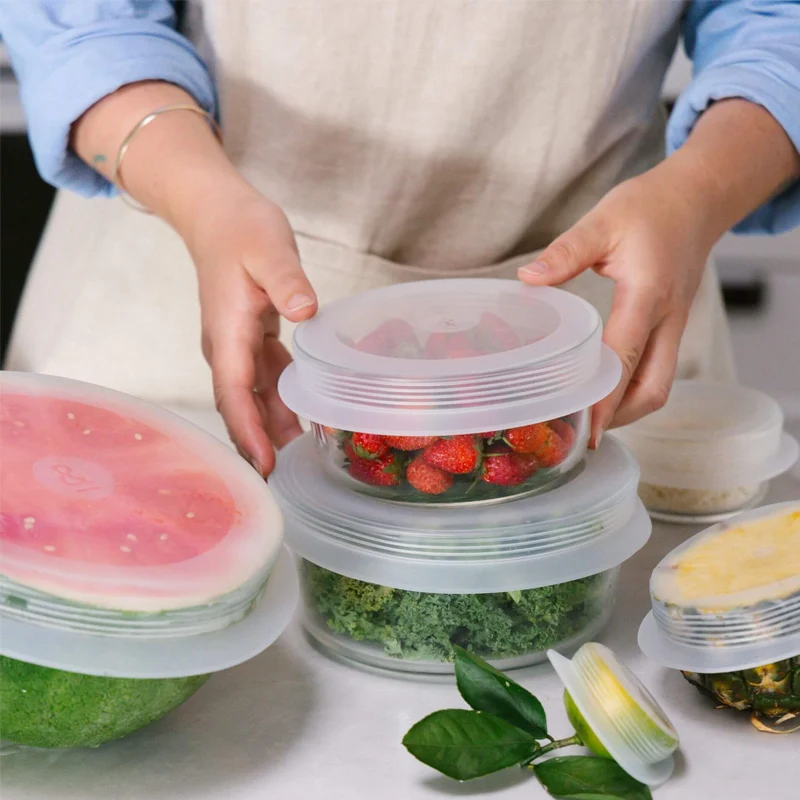
Compatible with bowls, plates, and various container shapes, including silicone food cases.
Environmental Friendliness
Reusable design reduces single-use plastic waste.
Prevents Spills and Splattering
Creates a sealed surface that improves microwave cleanliness.
Maintains Freshness
Helps retain moisture and food texture during heating.
How to Use Silicone Covers in the Microwave
1. Choose the Right Size
Ensure proper sealing without overstretching the silicone cover.
2. Positioning
Place loosely to allow controlled steam release.
3. Follow Cooking Times
Avoid overexposure to high heat cycles beyond recommended durations.
Cleaning and Maintenance of Silicone Covers
Dishwasher Safe
Most silicone food covers support industrial dishwasher cleaning.
Hand Washing
Mild detergent preserves surface texture and longevity.
Removing Stains and Odors
Baking soda or vinegar solutions are effective for deep cleaning.
Signs That Your Silicone Food Cover Isn’t Microwave-Safe
Cracking or Breaking
Indicates poor material formulation.
Discoloration
Often caused by low-grade fillers.
Unpleasant Smell
Signals chemical instability under heat.
Poor Fit
Affects sealing performance and microwave safety.
Lack of Microwave-Safe Label
Always verify certification before bulk procurement.
Why Partner Siliconepartner
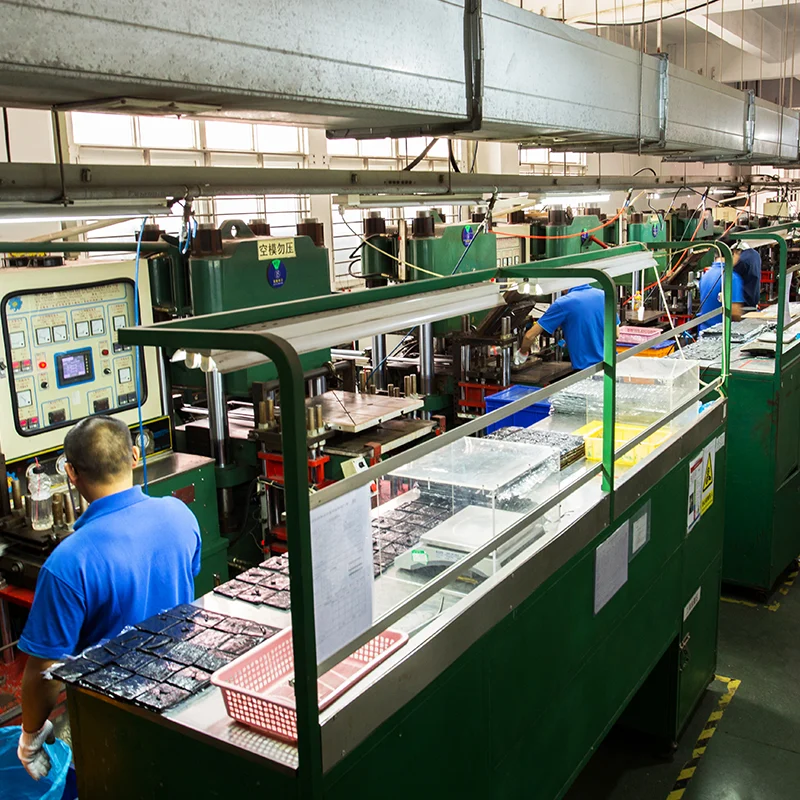
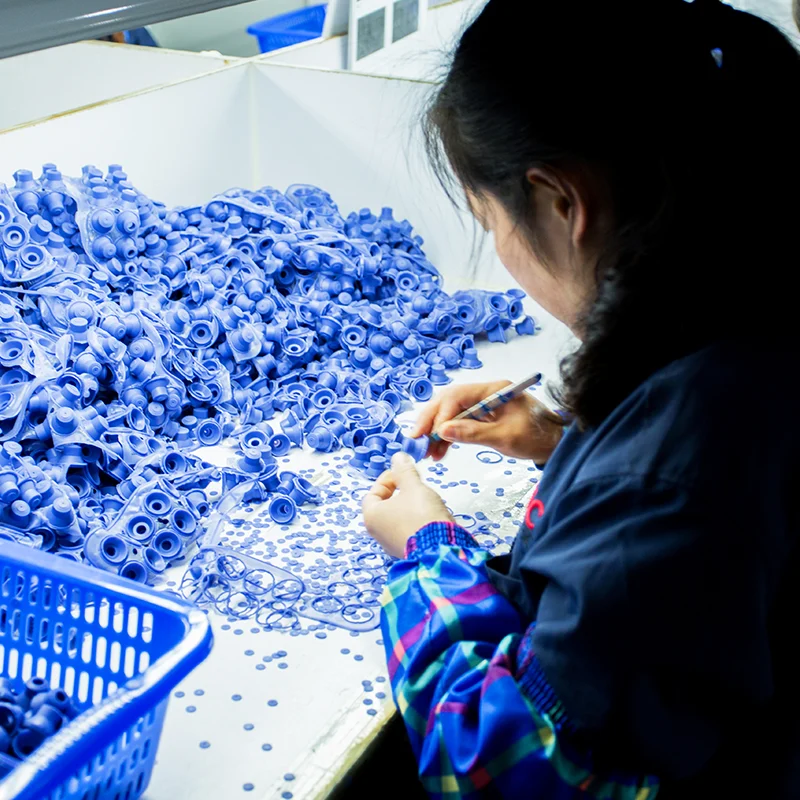
Siliconepartner specializes in advanced silicone food covers, silicone lids, and custom kitchen silicone solutions for global brands. As a professional manufacturer, we provide full custom service, rapid sample available support, and scalable OEM/ODM production. Our factory is equipped with precision molding systems and strict QC testing to ensure every product meets food-contact safety and durability standards.
Recommended Product: Silicone Stretch Lids for Food Containers
Custom silicone stretch lids for food containers offer strong sealing performance, multi-size adaptability, and branding flexibility. Choosing customization allows buyers to optimize product fit, improve user experience, and strengthen market differentiation.
With advanced production lines, stable pricing, strict quality inspection systems, and one-stop manufacturing support, Siliconepartner delivers reliable solutions from concept to mass production.
Conclusion
Silicone covers are microwave safe when produced with certified materials and proper manufacturing control. For B2B buyers, the key is not just choosing silicone—but selecting the right grade, certification, and supplier capability.
If you’re developing silicone food covers, how important is heat stability versus cost efficiency in your product strategy?
FAQs
1. Are silicone covers safe to use in the microwave?
Yes, if made from food-grade certified silicone.
2. Can I use silicone covers for all foods?
Yes, but avoid direct contact with open flames or grills.
3. How do I clean them after microwave use?
Dishwasher or mild hand washing is recommended.
4. What should I avoid?
Avoid sharp utensils and excessive heat beyond rated limits.
5. How long do they last?
High-quality silicone can last several years with proper use.