
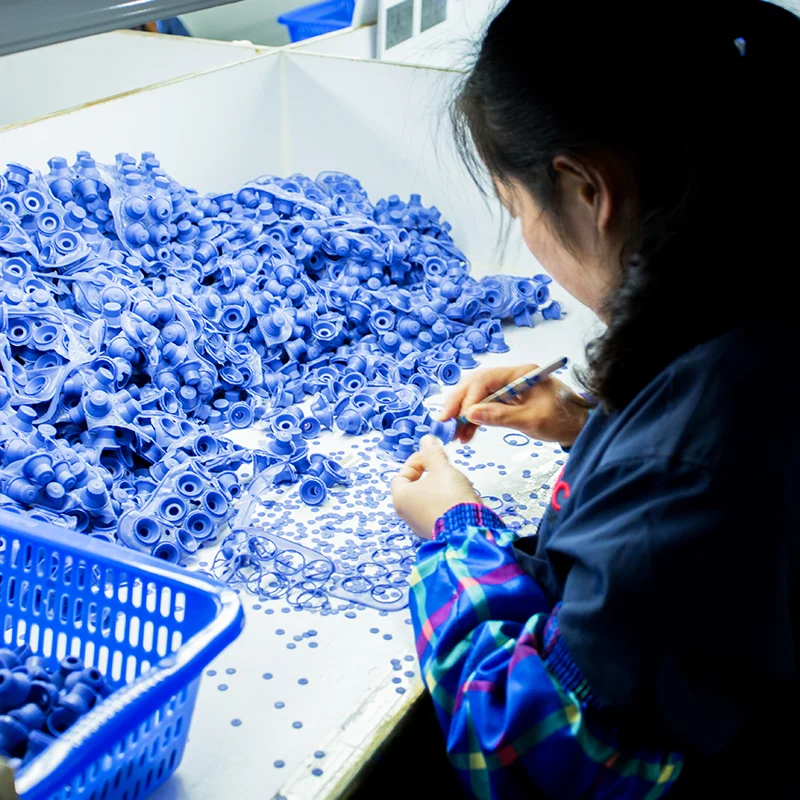
Flash-free liquid silicone molding is one of the live demonstrations at Fakuma 2026, which runs October 12 to 16 in Friedrichshafen. Engel is molding a large LSR seal there that leaves the machine without secondary trimming, according to PlasticsToday. Earlier this year, ISO also published a third edition of its lot-by-lot sampling standard. Neither development is about silicone sourcing as such, yet both point the same way: rejection rate is being engineered, measured and agreed earlier in the supply chain. For brand owners, product managers and purchasing teams, it is a number to settle with a manufacturer before mass production starts, not one to discover at the receiving dock.
Why Rejection Rate Is Now a Sourcing Question
What Changed in 2026
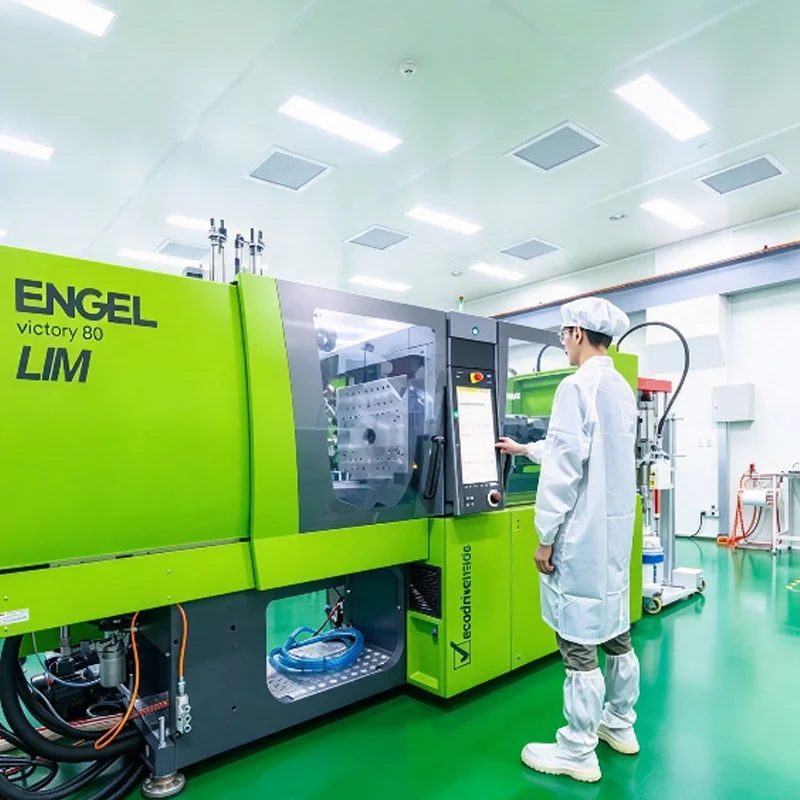
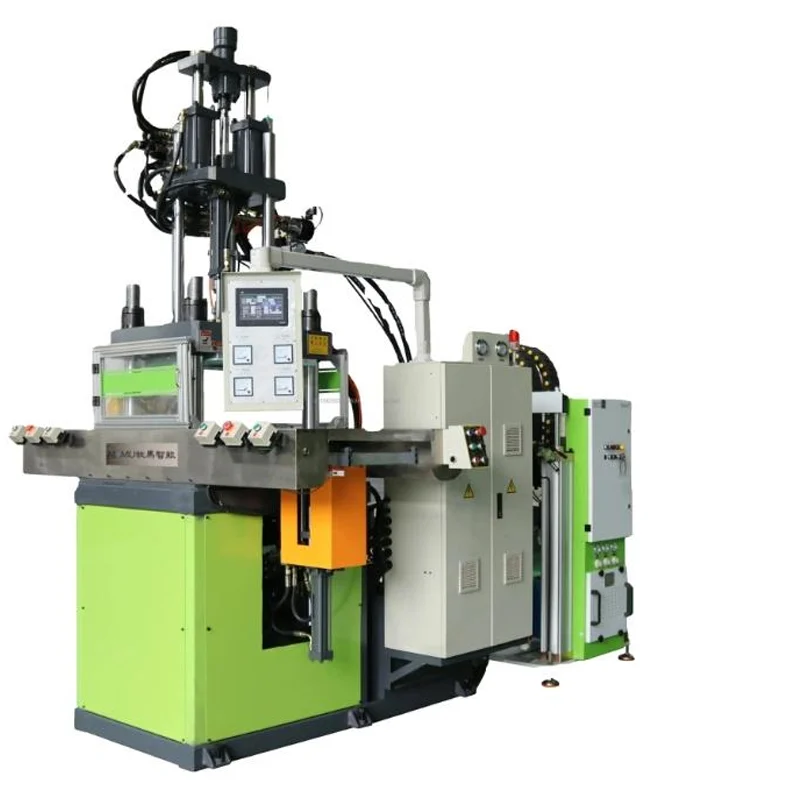
Three developments from this year frame the discussion. PlasticsToday reported on September 4 that Engel will mold a 484 x 202 x 29 mm LSR inverter seal at Fakuma on a tie-bar-less machine with 2,200 kN of clamping force and a cycle time of roughly 70 seconds, with no trimming afterwards. The article links that result to evenly distributed clamping force, because low-viscosity LSR exploits even microscopic gaps. ISO 2859-1:2026, published in January, replaces the 1999 edition and adds skip-lot sampling. And on October 7, Plastics Technology covered plus10.ai’s Hopper software, shown on an Arburg machine in September, which the company says reduces scrap by up to 20% through parameter recommendations. These are vendor and standards-body announcements, not industry-wide statistics, so read them as signals of direction rather than proof of what any one factory achieves.
What Rejection Costs a Brand Beyond Scrap
A rejected silicone part costs more than the material and cycle time lost. Re-inspection and manual trimming add labor, a failed lot can push back a launch or a distributor shipment, and for sealing or food-contact components a defect that escapes can turn into a warranty or compliance event. These cost categories belong in a supplier comparison even when a quotation shows only a piece price.
Defining the Rate You Are Measuring
Four different numbers often get called the rejection rate: internal scrap at the molding machine, rejects at the supplier’s outgoing inspection, rejects at your incoming inspection, and returns from the field. Different actions control each one, so an agreement should name which rate is being targeted and how defects are classified as critical, major or minor. Without that, a supplier reporting low internal scrap and a buyer seeing high dock rejects can both be telling the truth.
Where Silicone Rejections Come From
Most silicone rejections trace back to a short list of mechanisms. Knowing them tells a buyer which questions to put to a supplier.
Flash and the Low-Viscosity Problem
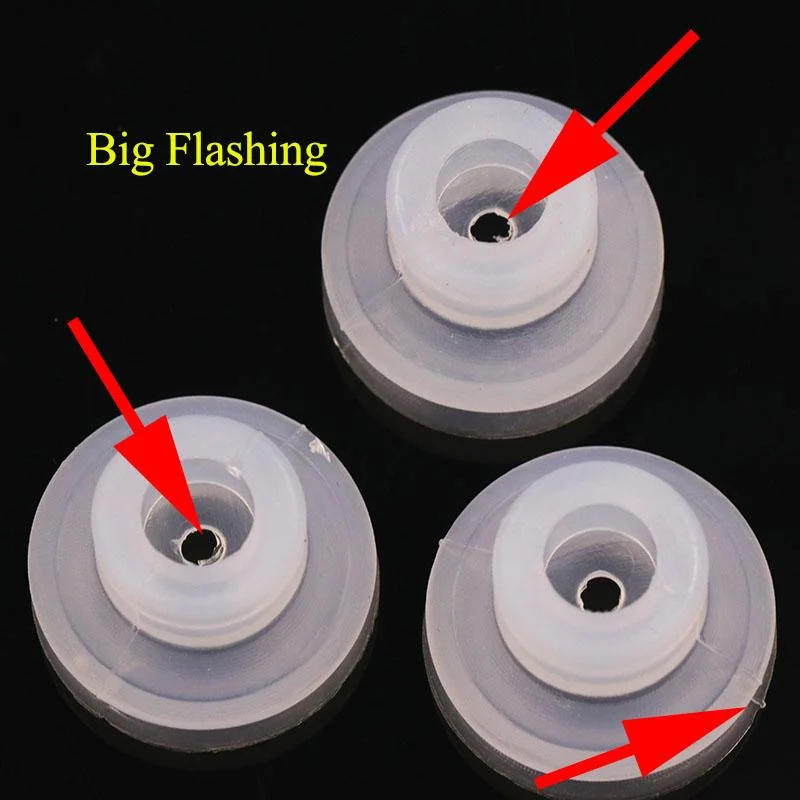
Flash is thin excess material at the parting line or vents. Because LSR flows so easily, uneven clamping, worn parting surfaces or tight vent gaps show up quickly, which is the point PlasticsToday makes about the Engel demonstration. Many processes still remove flash by hand: Silicone Partner’s own silicone injection molding page lists de-flashing among its post-molding operations, and its compression molding page lists flash trimming at demolding. The buyer’s question is whether flash is prevented in the tool or removed afterwards, and how that removal is inspected.
Short Shots, Air Traps and Incomplete Fill
Short shots and trapped air leave under-filled or porous parts. The Engel demonstration tool, per PlasticsToday, uses vacuum-assisted venting to address this, and Silicone Partner lists 250T vacuum molding machines on its injection molding page. Short shots and flash also sit at opposite ends of the same pressure window: raising pressure to cure one tends to invite the other. That is why a stable process window matters more than a one-off fix.
Material and Batch Variation
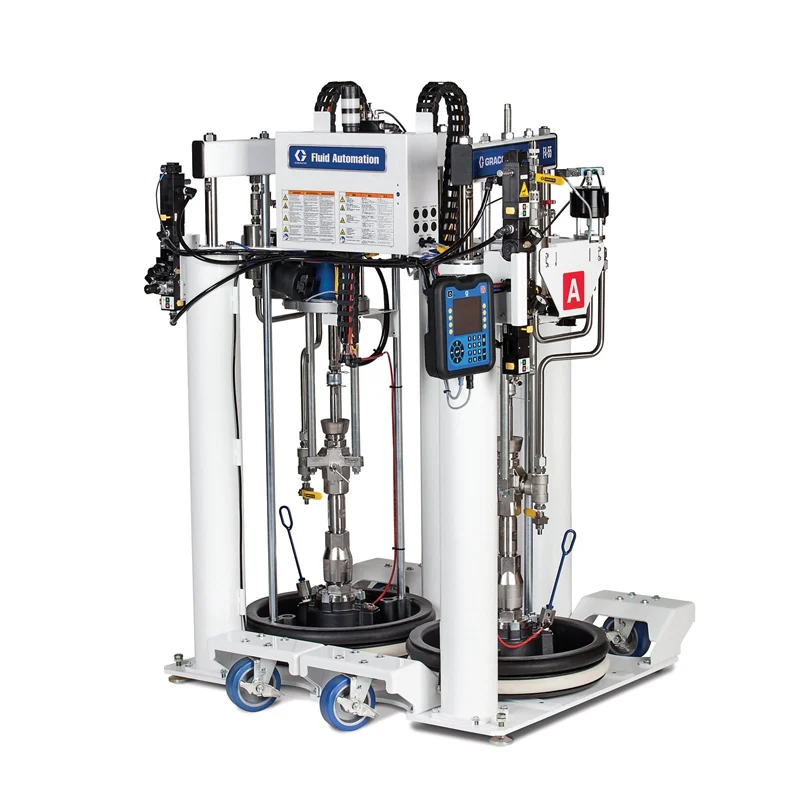
Plastics Technology notes that Hopper reacts to raw-material batch differences such as drying, temperature and viscosity changes. PlasticsToday describes a related habit on LSR lines: when viscosity or batch quality drifts, operators often raise dosing pressure to compensate, sometimes until equipment fails. Two-component LSR is metered automatically at a 1:1 ratio, with a platinum catalyst in component A, as Silicone Partner describes it, so batch consistency feeds directly into cure and fill. Ask how incoming lots are verified and how the process responds to a lot change.
Contamination and Color Handling in Compression Molding
Silicone Partner’s page on silicone rubber compression molding points out that pigment mixing on a two-roll mill is labor-intensive and carries a contamination risk. For HCR and compression parts, ask how mills are cleaned between colors and how preforms are weighed and handled. The same page lists a Class 8 clean room among the benefits of its compression line.
Prevent Defects at the Design and Tooling Stage
Design for Moldability Before Tooling Release
Wall-thickness transitions, parting-line placement on sealing surfaces, gate position and vent locations all decide how often a part fails later. A written design-for-manufacturing review before steel is cut is the cheapest point to remove a defect mechanism, and a buyer should expect it to be part of the quotation stage.
Match the Mold Type to the Process and Volume
Silicone Partner’s published comparison gives cold runner molds as simpler and lower in maintenance, and hot runner molds as faster in cycle time with less post-production work and waste. For compression versus liquid injection, the same source puts mold making at about 15 to 20 days for compression molds (7 to 10 days for simple parts) against 40 to 55 days for liquid injection molds, and setup at about one hour versus about one day. Compression involves more manual preparation, while LSR injection is more automated and suits larger volumes. Choose by geometry, tolerance and volume rather than by tooling cost alone.
Tooling Precision, Venting and Parting-Line Integrity
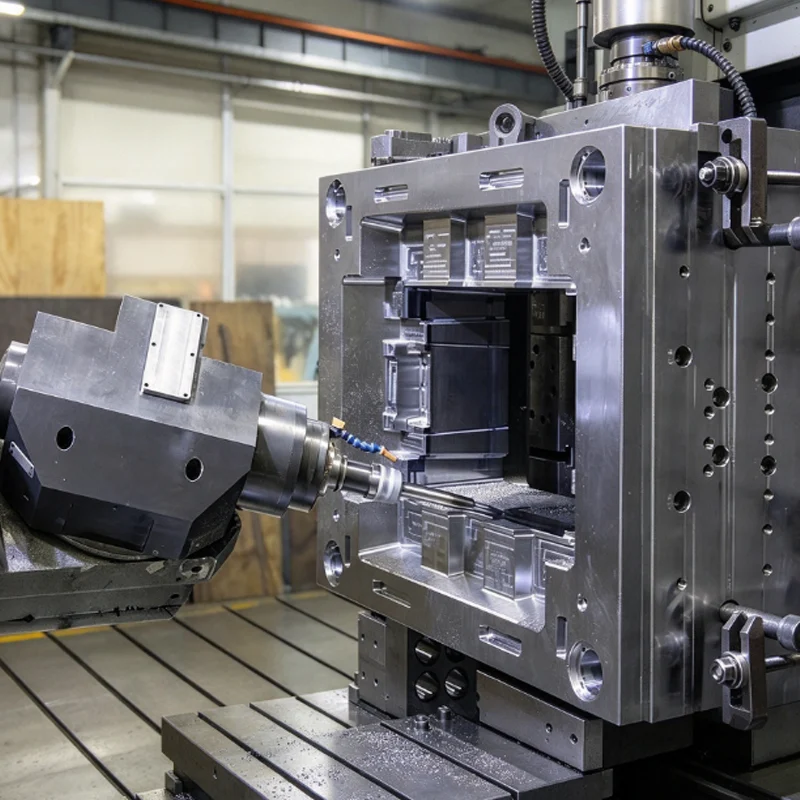
In the Engel demonstration, contour tolerances in the hundredths of a millimeter required tooling that holds tolerances down to the thousandth of a millimeter, an extreme case but a useful reminder of where flash control starts. Silicone Partner’s tooling making page describes an in-house team using CNC machining, precision 5-axis milling and an ERP system to track projects. Ask who builds and maintains the mold, how parting-line wear is monitored, and who is accountable when an engineering change is needed.
Validate With Prototypes Before Volume Tooling
Silicone Partner’s silicone prototyping page lists four methods: 3D printing, LSR molding, HCR molding and RTV. It notes that printing is fast for small quantities but can struggle with precision and with runs above about 100 units, while LSR molding uses production-grade materials and machines at higher cost. A printed part confirms form and fit, not flow or flash behavior, so choose the prototype method that matches the production process you intend to use.
Control the Process, Not Just the Part
Stable Metering and Material Handling
Silicone Partner describes shot sizes, temperatures, injection rates and cycle times being set for each project after the mold is mounted and heated. A buyer should ask for the validated setpoints, which of them are locked, and who is allowed to change them.
Respecting the Process Window
Process changes should follow root-cause analysis, not precede it. A setting that produces a few good parts is not proof the process can absorb normal variation, so the aim is a window wide enough that ordinary drift triggers neither flash nor short shots.
Early-Warning Monitoring on the Machine
According to PlasticsToday, Engel’s standard pressure monitoring on the metering unit raises an alert at 50 bar, giving operators time to intervene before viscosity or batch problems escalate, and iQ weight control reduces the effect of viscosity variation. For a buyer, the practical question is which alarms stop production and which only log an event.
Data-Driven Parameter Optimization
Plastics Technology reports that Hopper recommends more than 60 parameters across plastification, injection and packing, predicts scrap risk in real time and can run with an operator confirming each change. Every parameter change is documented automatically, which supports traceability. The up to 20% scrap reduction is the company’s own claim, so a buyer is better served by asking a supplier for its own scrap trend data than by assuming the figure transfers.
Overmolded and Insert-Molded Assemblies
Silicone Partner’s overmolding and insert molding page explains that overmolding is a two-step process and that the bond between materials can be chemical or mechanical depending on the materials and the design. The interface is therefore an extra defect source. Ask how insert position and bond strength are verified, and whether a pull or peel test is on the control plan.
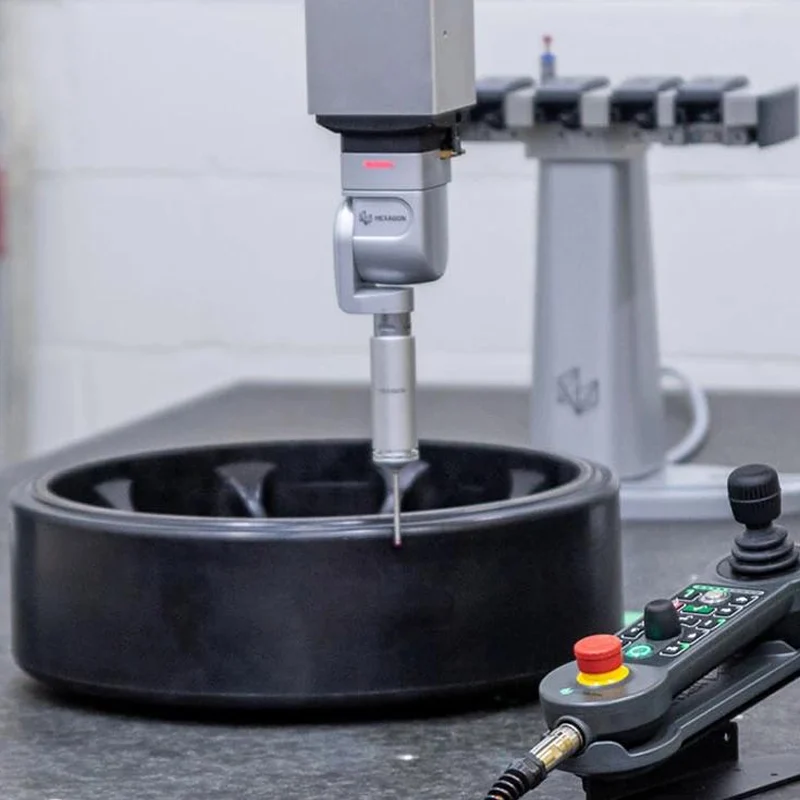
Build an Inspection Plan That Catches Escapes Early
Sampling Plans and Acceptance Quality Limits
ISO 2859-1 defines sampling schemes indexed by acceptance quality limit (AQL), meaning the maximum average percentage of defective items considered acceptable during random sampling. It applies to finished products, sub-assemblies, components and materials, so it can anchor an agreement with a silicone supplier. Set separate limits for critical, major and minor defects instead of one blended number.
Normal, Tightened and Reduced Inspection
The standard includes switching rules: reduced inspection when quality is stable, tightened inspection if defects increase. The 2026 edition adds skip-lot sampling for consistently performing suppliers. A contract can state in advance what earns a supplier reduced inspection and what returns it to normal or tightened levels.
100% Functional Testing for Sealing Parts
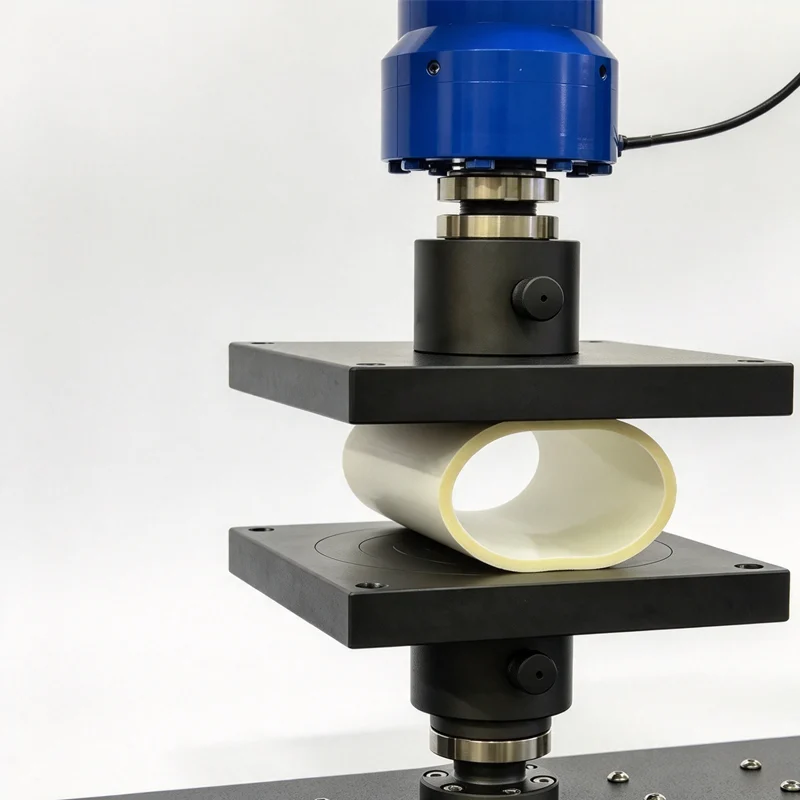
For valves and seals, a sample cannot confirm that every part seals. On its umbrella valve page, Silicone Partner describes 100% automated leak testing, with statistical sampling for opening pressure and airflow. On its cross slit valve page it lists seal-integrity pressure tests, slit actuation consistency checks and lifecycle endurance testing on each production batch, alongside optical dimensional verification. Ask any supplier which tests are applied to every part and which only to a sample.
Traceability and Corrective Action
Silicone Partner states that its umbrella valve line runs under an ISO 9001 certified system with full batch traceability. Traceability only helps if rejected lots lead to documented corrective action, so require a root cause, containment for shipped stock and a record of the process or tooling change, not only a re-sort.
Silicone Partner Perspective
The process route is where much of the rejection risk is set. In Silicone Partner’s own comparison, compression molding is the faster and cheaper route to a mold and easier for color testing, while liquid injection molding takes longer to tool and needs about half a day to clean the color system and needles between colors. That is why color development is often done by compression and volume production by LSR injection, with the inspection plan built around whichever route is chosen.
In practice, many production issues can be reduced when the molding route is decided together with the engineering team before tooling begins. For example, a project that starts with frequent color changes or early design validation may benefit from compression molding during development, while stable high-volume production often moves to LSR injection molding for better automation, repeatability and process control. The key is not choosing the lowest tooling cost, but selecting the process that matches the product requirements, expected volume and quality expectations from the beginning.
A Practical Supplier Checklist for Procurement Teams
Before Tooling Approval
- ✓ Has the supplier provided written design-for-manufacturing feedback on parting line, venting and gating?
- ✓ Is the mold built and maintained in-house, and who owns repairs and revisions?
- ✓ Which prototype method was used, and how does it differ from the production process?
- ✓ Are defects classified as critical, major and minor, with agreed limits?
Before First-Article Approval
- ✓ Which dimensions and functional tests are on the control plan, and at what frequency?
- ✓ Which inspection level applies under ISO 2859-1, and what triggers tightened inspection?
- ✓ How are incoming LSR lots checked, and do the material certificates match your target market?
After Volume Ramp
- ✓ How are process changes recorded, and who approves them?
- ✓ What is the reaction plan when rejects exceed the agreed limit?
- ✓ Under what conditions can inspection be reduced, and what returns it to normal?
Where Precision Silicone Valves Show the Difference
Sealing and dispensing parts are where rejection rate is hardest to hide. A valve that opens at the wrong pressure fails in use even if it looks perfect, so functional specifications and test coverage matter as much as appearance. Silicone Partner’s valve lines show how the controls above translate into product specifications.
Cross Slit Dispensing Valves
The custom leak-proof cross slit valves are molded from food-grade LSR by precision injection molding. The listed specifications are Shore A 40 to 60, a crack or opening pressure of 5 to 50 kPa that can be customized, a temperature range of -50°C to +230°C, and FDA, LFGB and RoHS compliance. Slit depth, leg thickness and overall geometry can be tailored to the application’s pressure, flow and assembly needs.
Umbrella Valves for One-Way Venting
The food-grade LSR umbrella valves are designed for one-way venting in food and liquid packaging. Listed specifications include an opening pressure of 0.5 to 10 mbar (customizable), a temperature range of -60°C to +200°C, FDA, LFGB, RoHS and ISO 9001 certifications, a production lead time of 20 to 30 days, samples, custom molded-in logos, and packaging in PE bags or dispenser reels. Silicone Partner says the valves are molded in cleanroom-class LSR cells using multi-cavity hot runner molds built in-house with CNC and wire-EDM.
What the Specifications Mean for Incoming Inspection
From a procurement standpoint, these product lines offer five practical advantages:
- A measurable acceptance criterion. Opening or crack pressure is stated and customizable, so it can be written into the drawing and checked at receipt.
- Test coverage you can audit. Umbrella valves are leak tested at 100% on automated stations, and cross slit batches go through seal-integrity, slit actuation and lifecycle testing, with optical dimensional checks on both.
- Tooling under the same roof. In-house CNC and EDM mold making shortens the path from an engineering change to a corrected tool.
- A workable ramp. Samples are available, small orders are accepted, and the umbrella valve lists a 20 to 30 day production lead time, which supports a pilot lot before volume.
- Documented material compliance. FDA, LFGB and RoHS are listed, and the umbrella valve line runs with batch traceability under ISO 9001.
As with any supplier, request certificates that match the exact part and destination market before approval.
What This Means for Your Brand
Rejection Rate as a Supplier-Selection Criterion
Lower rejection rates are rarely the result of one fix. Material choice, tooling, process control and inspection each contribute, and they connect directly to supplier selection and long-term supply risk. For a brand, that shifts the conversation from piece price to total cost of quality: sealing components with documented functional testing support product claims, early design review shortens development, and a supplier able to run more than one molding route gives more room to adjust strategy as volumes grow.
From Inspection to Partnership Metrics
Once a supplier shows stable results, shared metrics such as lot acceptance trends, corrective-action closure time and process-change records can replace repeated full inspection. ISO 2859-1’s switching rules give a structure for moving from normal to reduced inspection, and for moving back when results slip.
Conclusion
Reducing silicone rejection rate in mass production starts well before the first production lot. It begins with a design review, a process route that fits the volume, tooling built to hold the parting line, and a process window wide enough for normal variation. It continues with monitoring, functional testing where sampling cannot answer the question, and an inspection plan whose rules are agreed in advance. The 2026 developments in LSR molding and sampling practice make these questions easier to ask, but the answers still have to come from your own supplier’s data.
FAQ
-
What rejection rate should I specify for silicone parts?
There is no single figure for every part. A decorative cap and a sealing valve deserve different limits. ISO 2859-1 works with acceptance quality limits, so agree separate limits for critical, major and minor defects, and record which inspection point the number applies to.
-
Does compression molding or LSR injection molding produce fewer rejects?
Neither wins in general. Compression molding has simpler tooling and easier color changes but more manual preparation and trimming. LSR injection is more automated and suits higher-volume precision parts but needs more precise tooling. Choose by geometry, tolerance and volume.
-
Can a prototype predict mass-production rejection rate?
Only partly. A 3D-printed prototype confirms form and fit but not flow, venting or flash behavior, and printing can struggle with precision and with runs above roughly 100 units. A molded LSR or HCR prototype is a closer test, so ask which method was used before treating prototype results as production evidence.
-
Is 100% inspection better than sampling?
For functions that cannot be inferred from a sample, such as sealing, 100% testing is preferable where it can be automated. For dimensions and appearance, sampling under ISO 2859-1 with switching rules is usually more economical. Many control plans combine both.
-
What should a supplier send after a rejected lot?
A corrective-action report that names the root cause, the containment action for stock already shipped, the parameter or tooling change made, and the batch and material lot records for the rejected parts. A re-sort alone is not a corrective action.
About the Author
The Silicone Partner Engineering Team brings more than two decades of custom silicone molding experience to this article. Its engineers, designers and account representatives each have over ten years in silicone, working across liquid silicone injection molding, compression molding, overmolding, prototyping and in-house tooling. The team supports brands, distributors and OEM buyers in baby care, consumer electronics, houseware and medical accessories, within an ISO-certified quality system that also holds BSCI and SEDEX certifications. Its focus is turning drawings into repeatable production: reviewing designs for moldability, matching the process to the volume, and defining the inspection and testing that protect incoming quality.
References
- PlasticsToday, Engel Eliminates Flash in High-Precision LSR Molding (September 4, 2026) https://www.plasticstoday.com/injection-molding/engel-eliminates-flash-in-high-precision-lsr-molding
- International Organization for Standardization (ISO), ISO 2859-1:2026 https://www.iso.org/standard/85464.html
- Plastics Technology, AI Startup Partners with Arburg on AI-Driven Scrap Reduction (October 7, 2026) https://www.ptonline.com/news/ai-startup-partners-with-arburg-on-ai-driven-scrap-reduction
Why Brands Choose Silicone Partner for Custom Silicone Components
- ✔ Over two decades of custom silicone molding experience
- ✔ LSR injection molding, compression molding, overmolding and insert molding, prototyping and tooling in one company
- ✔ Engineers, designers and account representatives with 10+ years each in silicone
- ✔ ISO, SEDEX and BSCI factory certifications, with an ISO 9001 process and batch traceability on valve lines
- ✔ Free samples, small orders accepted, and quotations within 24 hours of receiving drawings or samples
- ✔ Support from 3D CAD modeling and prototyping through production molding
Whether you are specifying a sealing valve, a baby-care product or an industrial accessory, Silicone Partner can review your drawings or samples and give feedback on process, tooling and inspection before you commit to volume. Send your drawings or samples to our engineering team to discuss your next silicone project.