
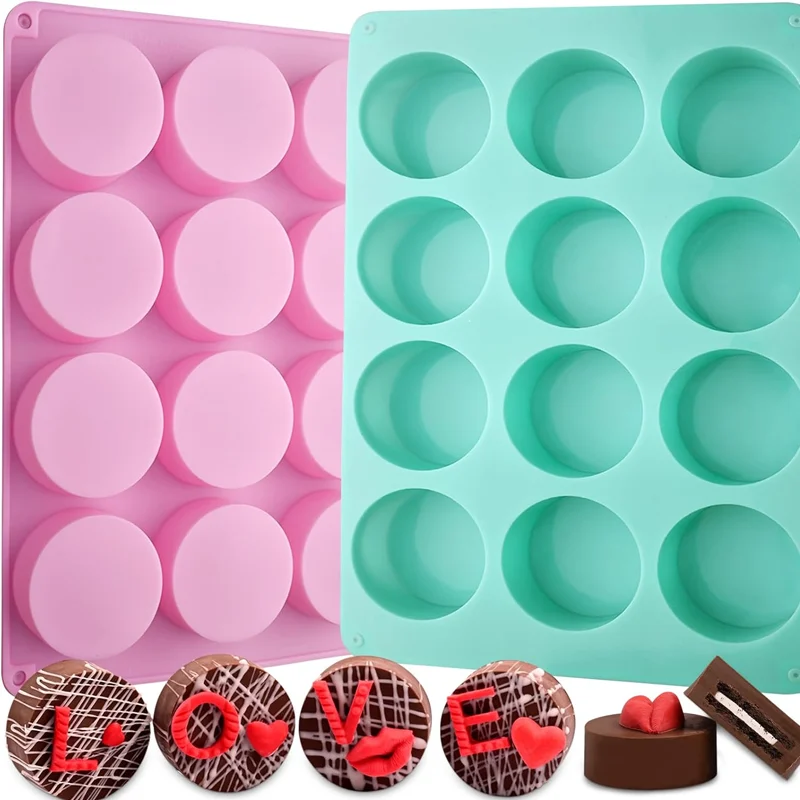
Custom Silicone Cookie Molds | OEM & ODM Reusable Silicone Baking Mold Manufacturer
Reusable Silicone Cookie Molds are designed for baking brands, kitchenware distributors, food preparation suppliers, and private-label product companies looking for flexible and durable alternatives to conventional baking molds. Manufactured from food-grade silicone, these molds offer a flexible structure, non-stick performance, and convenient release of baked items when used with suitable recipes and baking conditions.
As a silicone products manufacturer in Xiamen, China, Silicone Partner provides OEM and ODM manufacturing for reusable silicone cookie molds. We support custom mold shapes, dimensions, cavity layouts, product colors, and private-label packaging. From mold development and material preparation to silicone molding, trimming, inspection, and packing, our production team supports projects from initial sampling through repeat bulk orders.
Whether you are developing round cookie molds, specialty-shaped baking molds, or a customized silicone bakeware collection, we work with your specifications to develop products suited to your intended applications, production volumes, and target markets.

Key Features of Reusable Silicone Baking Molds
Food-Grade Silicone Material
Made with food-grade silicone selected according to the intended food-contact application. Material specifications and supporting compliance documents can be reviewed during project development.
Flexible Structure for Easy Release
The flexible silicone construction allows the mold to be bent for easier removal of baked products. Non-stick performance helps reduce sticking when the mold is properly prepared and used with compatible recipes.
Reusable Design for Repeated Baking
Designed for repeated use rather than single-use baking applications. Material formulation and mold structure can be evaluated according to the expected usage conditions.
Custom Round and Specialty Shapes
Round configurations are available as a starting point, with additional shapes and cavity layouts developed according to customer drawings, samples, or product concepts.
Multiple Kitchen Applications
Suitable for developing cookie molds and other baking or food-preparation accessories, subject to the final mold design and application requirements.
Convenient Cleaning and Storage
The silicone construction supports dishwasher cleaning and freezer storage. Its flexible form also makes the product easier to handle and store than many rigid alternatives.
Technical Specifications of OEM Silicone Cookie Molds
| Item | Specification |
|---|---|
| Product Name | Reusable Silicone Cookie Molds |
| Product Type | Silicone Baking Mold / Cookie Mold |
| Main Material | Food-Grade Silicone |
| Material Feature | Reusable, Flexible, Non-Stick |
| Shape | Round or Customized |
| Size | Custom Dimensions |
| Application | Cookie Baking and Food Preparation |
| Heat Resistance | Oven Safe Within Verified Temperature Range |
| Cold Resistance | Freezer Safe |
| Cleaning | Dishwasher Safe |
| Brand Name | OEM / ODM |
| Place of Origin | Xiamen, China |
| MOQ | Based on Project Requirements |
| Quality Inspection | 100% Product Inspection |
| Packaging | Individual Polybag or Customized Packaging |
Silicone Cookie Mold Manufacturing Process and Tooling Development
Our production workflow focuses on mold accuracy, silicone material consistency, and repeatable product quality. The process can be adjusted according to the complexity of the mold and the customer’s design requirements.
1. Product Drawing and Mold Design
- Review customer drawings, reference samples, or 3D files
- Evaluate mold dimensions, wall thickness, and cavity geometry
- Review demolding requirements and production feasibility
- Prepare mold design for customer confirmation
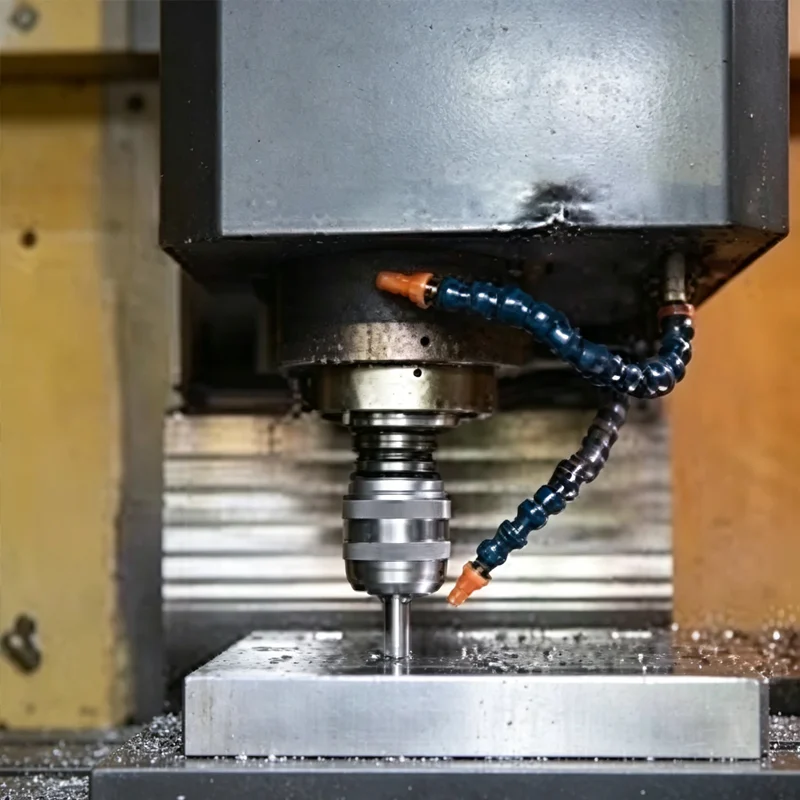
2. Silicone Mold Tooling
- Develop tooling according to the approved design
- Machine and finish mold cavities
- Check cavity dimensions and surface details
- Conduct initial tooling trials
3. Food-Grade Silicone Material Preparation
- Select silicone according to the intended food-contact application
- Confirm material specifications and color requirements
- Prepare and process silicone compounds
- Check material consistency before molding
4. Silicone Compression Molding
- Load prepared silicone into the mold
- Control molding temperature, pressure, and curing time
- Form the cookie mold structure and cavity details
- Monitor molding consistency across production batches
5. Trimming and Surface Finishing
- Remove excess silicone and flash
- Inspect edges, cavity surfaces, and molded details
- Check for visible defects and incomplete molding
- Prepare products for final inspection
6. Final Inspection and Order Preparation
- Verify product dimensions and appearance
- Check flexibility and demolding characteristics
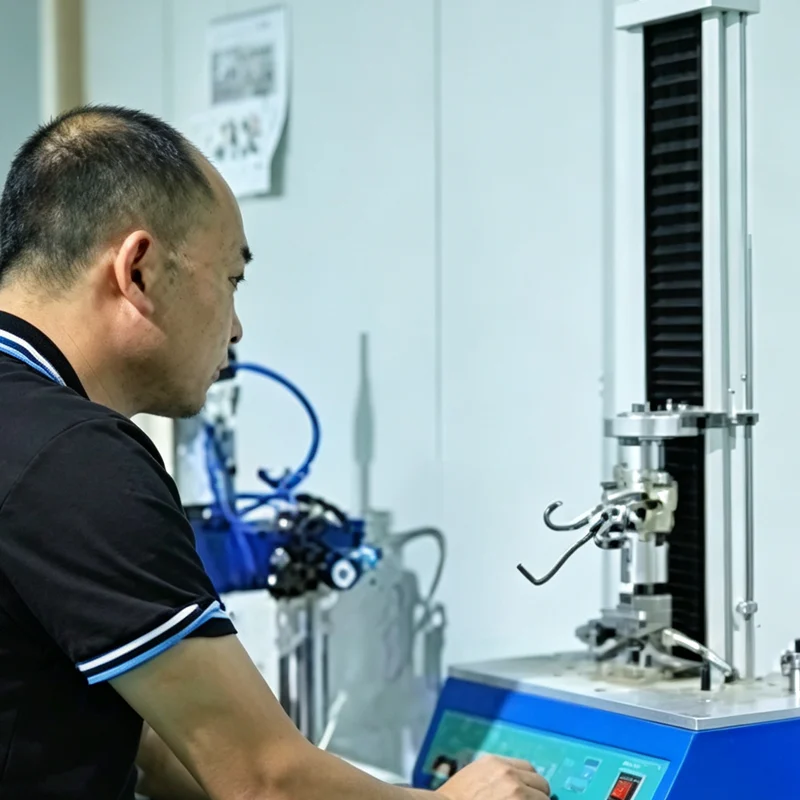
- Conduct applicable quality and material checks
- Complete packaging and batch identification
Quality Assurance for Food-Grade Silicone Baking Molds
For B2B kitchenware programs, material suitability and dimensional consistency are important considerations beyond basic appearance. Our inspection approach can be aligned with the buyer’s technical specifications and destination-market requirements.
| Inspection Area | Quality Focus |
|---|---|
| Material Verification | Confirm silicone grade and approved material specifications |
| Dimensional Inspection | Check overall dimensions, cavity size, and wall thickness |
| Visual Inspection | Identify flash, bubbles, surface defects, and incomplete molding |
| Surface Quality | Evaluate mold cavity finish and surface consistency |
| Flexibility Assessment | Check deformation and recovery under agreed conditions |
| Release Performance | Evaluate product removal using representative baking conditions |
| Heat Resistance | Verify performance against the agreed operating temperature |
| Cleaning Compatibility | Review dishwasher-cleaning requirements |
| Batch Consistency | Compare production samples against approved references |
| Final Inspection | Conduct 100% product inspection according to agreed criteria |
Food-contact testing and supporting documentation can be discussed according to the destination market, applicable regulations, and requested silicone formulation. Specific compliance should be confirmed for the actual material and finished product.
OEM and Private Label Solutions for Custom Silicone Baking Molds
Silicone Partner works with kitchenware brands and wholesale buyers to develop silicone cookie molds that fit their product portfolios and commercial requirements.
Our OEM/ODM support can cover:
- Product dimensions and overall mold geometry
- Round, square, and other customized mold shapes
- Cavity number, arrangement, and depth
- Silicone hardness and material specifications
- Product color matching
- Surface texture and molded details
- Custom logos and product identification
- Packaging artwork and private-label presentation
- Product drawings, prototypes, and sample evaluation
For projects involving new tooling, our engineering team can review the design before mold development to identify potential manufacturing issues and reduce unnecessary tooling revisions.
Applications of Custom Silicone Cookie and Baking Molds
Reusable silicone molds can be developed for different kitchenware and food-preparation product lines.
- Home baking collections: Cookie molds and reusable baking accessories for household kitchenware brands.
- Professional baking supplies: Custom mold configurations for baking equipment distributors and specialist suppliers.
- Kitchenware retail: Private-label silicone baking products for supermarkets, department stores, and kitchenware retailers.
- E-commerce product lines: Customized silicone molds for online kitchenware brands and marketplace sellers.
- Gift and seasonal collections: Specialty shapes and customized colors for holiday baking and gift-oriented product ranges.
- Food preparation accessories: Additional silicone mold designs developed for compatible food-forming and preparation applications.
FAQs
Q1: Can you develop a silicone cookie mold from our existing metal or plastic mold sample?
Yes. We can review an existing mold, physical sample, or technical drawing as the basis for a new silicone version. The engineering review considers cavity geometry, wall thickness, product dimensions, flexibility, and demolding requirements. Not every rigid mold design can be directly converted into silicone, so structural adjustments may be recommended before tooling begins.
Q2: How can we verify that the silicone material is suitable for food-contact applications in our market?
We can discuss the required silicone material grade and relevant food-contact testing documentation according to your destination market. Buyers should specify the applicable requirements, such as FDA food-contact requirements or EU food-contact regulations, at the quotation stage. Testing scope and documentation should be confirmed for the actual material formulation and finished product rather than assumed from a general food-grade description.
Q3: Will the mold maintain its original shape after repeated baking and cleaning?
Long-term dimensional stability depends on the silicone formulation, mold geometry, operating temperature, cleaning conditions, and frequency of use. We recommend defining the expected usage conditions and conducting application-based validation before mass production. This helps buyers assess deformation, surface changes, and overall suitability for their intended product positioning.
Q4: Can you manufacture molds with different cavity sizes in one design?
Yes. Multiple cavity sizes, shapes, and arrangements can be considered within one mold design, subject to tooling feasibility. For example, a single mold may incorporate different cookie dimensions or decorative patterns. We recommend providing the desired cavity layout and finished product dimensions so that tooling space, wall thickness, and production feasibility can be evaluated before sampling.
Q5: What happens if our first samples do not meet the required baking or demolding performance?
We can review the sample feedback and identify whether the issue relates to mold geometry, silicone hardness, cavity depth, surface finish, or the intended baking process. Depending on the findings, adjustments may be made to the tooling or material specifications before a revised sample is produced. Establishing evaluation criteria and representative baking conditions at the beginning of the project helps reduce unnecessary sampling rounds.
Q6: How do you handle tooling ownership and mold maintenance for long-term supply programs?
Tooling arrangements can be discussed and documented before production begins, including mold ownership, storage, maintenance responsibilities, and conditions for future use. For buyers planning repeat orders or long-term private-label programs, we recommend confirming these terms in the initial quotation or tooling agreement to establish clear expectations for ongoing supply.