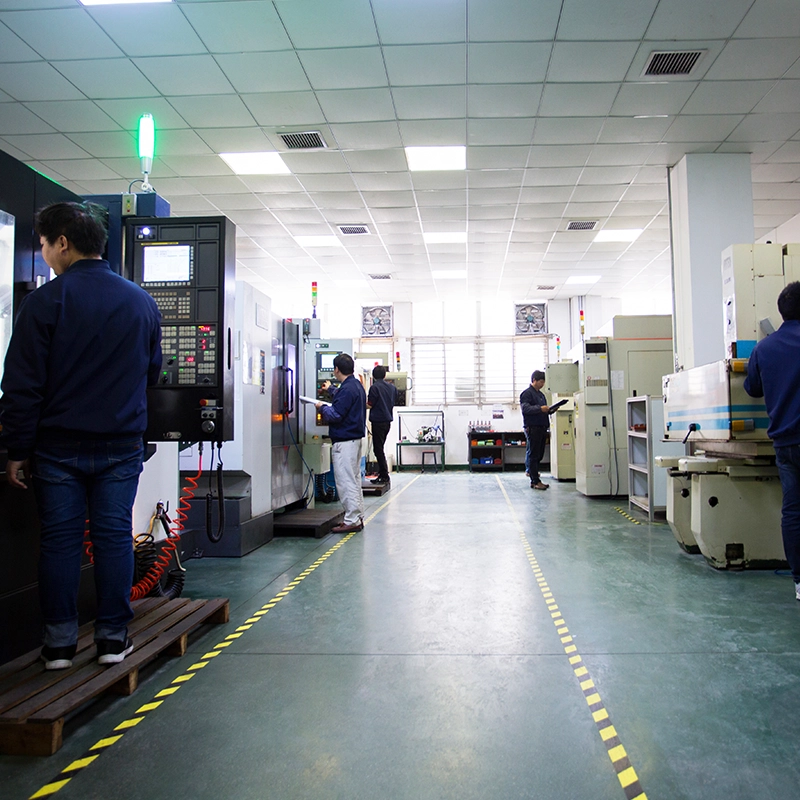
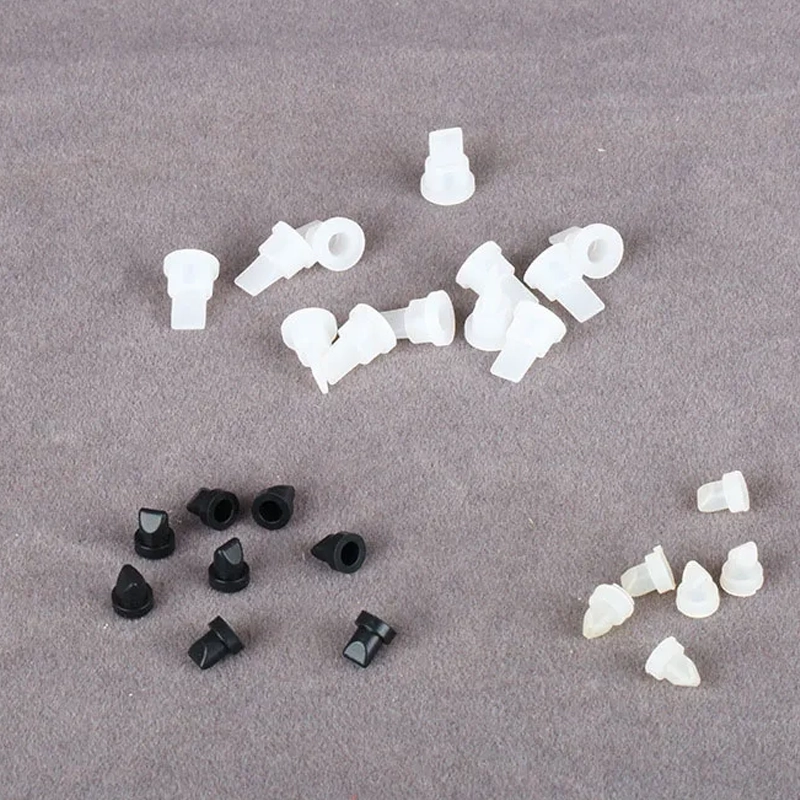
Looking for a reliable, low-cost one-way valve for bottle caps, flip-tops, or disposable cartridges? At Siliconepartner we design and manufacture custom Silicone Duckbill Valves using precision LSR injection molding and deliver turnkey custom service to OEMs and packaging brands. This guide explains what a duckbill silicone valve is in the context of bottle packaging, why modern caps use them, how they operate, how they’re made, how pricing varies across suppliers, and practical buying tips so you choose the right supplier and part for your application.
What Constitutes a Silicone Duckbill Valve in Bottle Packaging?
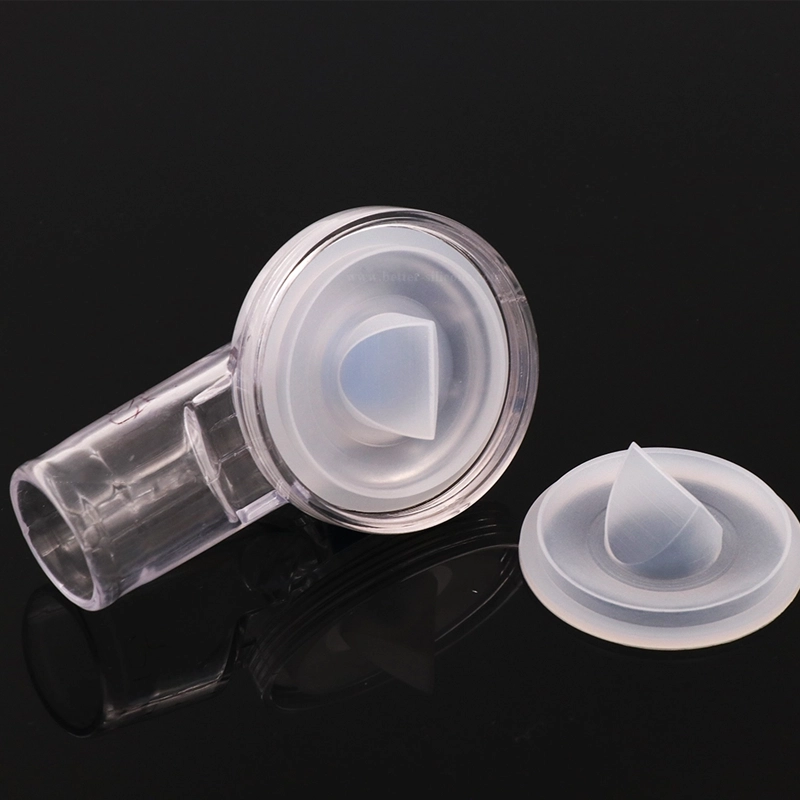
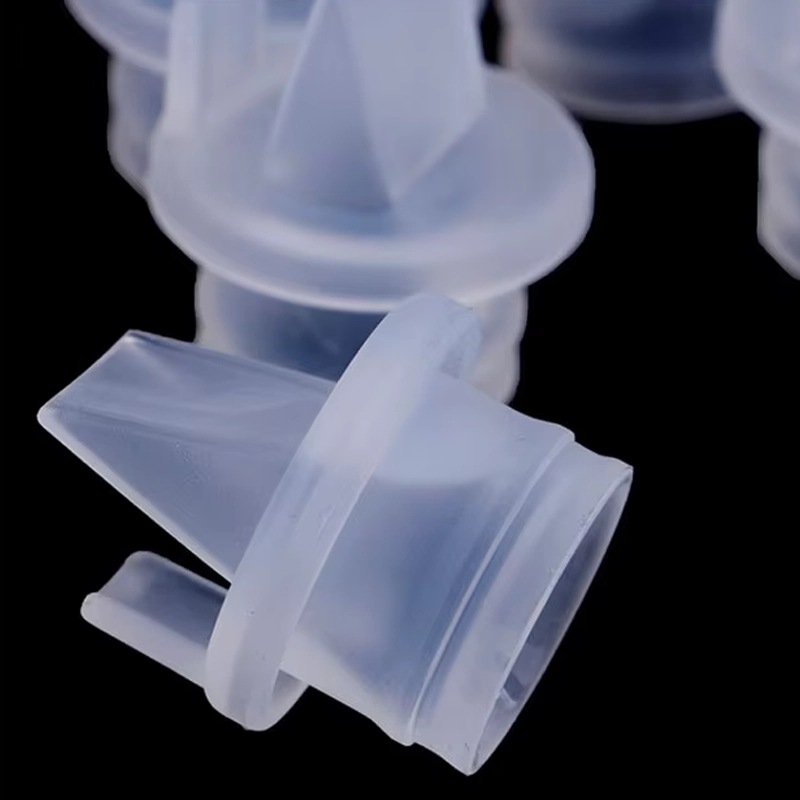
A silicone duckbill valve (also called a duckbill silicone valve, duckbill one-way valve, or elastomeric duckbill) is a thin-walled, flexible nozzle with two lip-like flaps that form a sealed “beak.” In bottle caps and dispensing systems it acts as the functional element that allows product to exit when squeezed or inverted, and reseals when pressure drops. In packaging applications the valve may be a discrete pop-in insert, an overmolded element inside the cap, or an integrated part of a multi-material dispensing assembly.
Key features for bottle use:
- Low cracking/opening pressure for easy dispensing.
- Clean reseal to prevent drips and contamination.
- Durable elastomer formulation for chemical compatibility with condiments, cosmetics, or chemicals.
- Compact footprint to fit into standard flip-tops and sport caps.
Why Do We Need Silicone Duckbill Valves in Modern Caps?
Modern consumers expect leak-free bottles, controlled dispensing, and mess-free refill experiences. Silicone duckbills solve these needs while keeping costs low and assembly simple:
- Leak prevention: The self-sealing lips block reverse flow and dripping when the bottle is stored or inverted.
- Dose control: Lip geometry determines flow rate so you can tune dispense volume for ketchup, shampoo, hand sanitizer, or industrial adhesives.
- Hygiene & shelf life: One-way action reduces contamination risk by limiting backflow and air ingress.
- Integration & cost: Pop-in duckbills or overmolding reduce part count and remove additional mechanical valves or springs, saving assembly time and costs.
How Does a Silicone Duckbill Valve Actually Operate?
Operation is elegantly simple and reliable:
- Closed state: At rest the two lips are in contact, forming a tight seal.
- Opening (forward pressure): When internal fluid pressure exceeds the designed cracking pressure (from squeezing the bottle or pumping), the lips separate and a flow channel forms. Flow rate depends on slit length, wall thickness, and material durometer.
- Re-seating: When pressure drops or reverses, elastic recovery of the silicone forces the lips back together, closing the orifice and preventing backflow.
Designers control performance by adjusting slit geometry, skirt length, flange fit, and material hardness (Shore A).
Manufacturing Process of Silicone Duckbill Valves
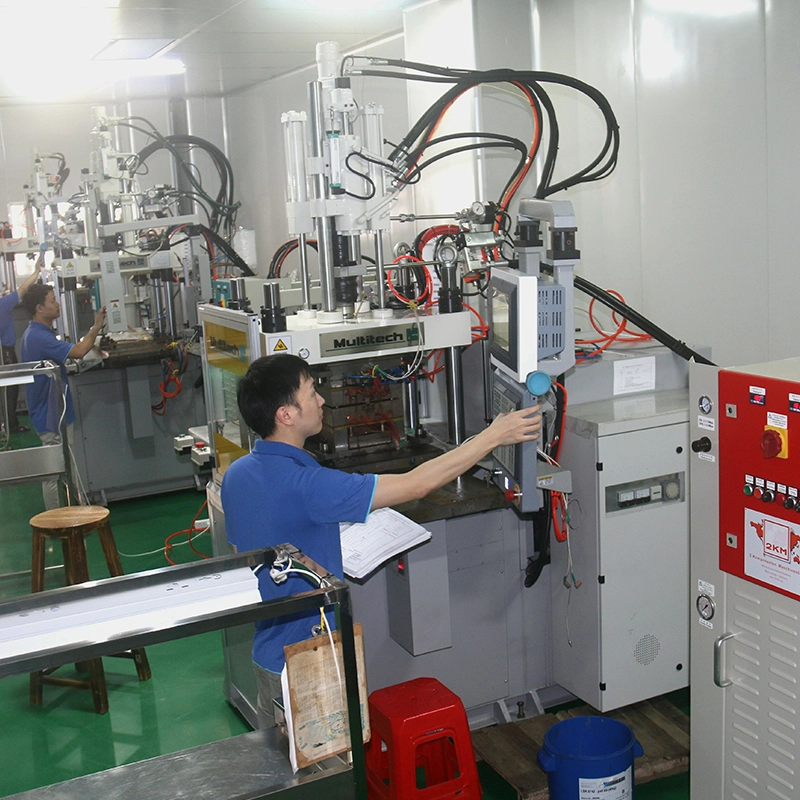
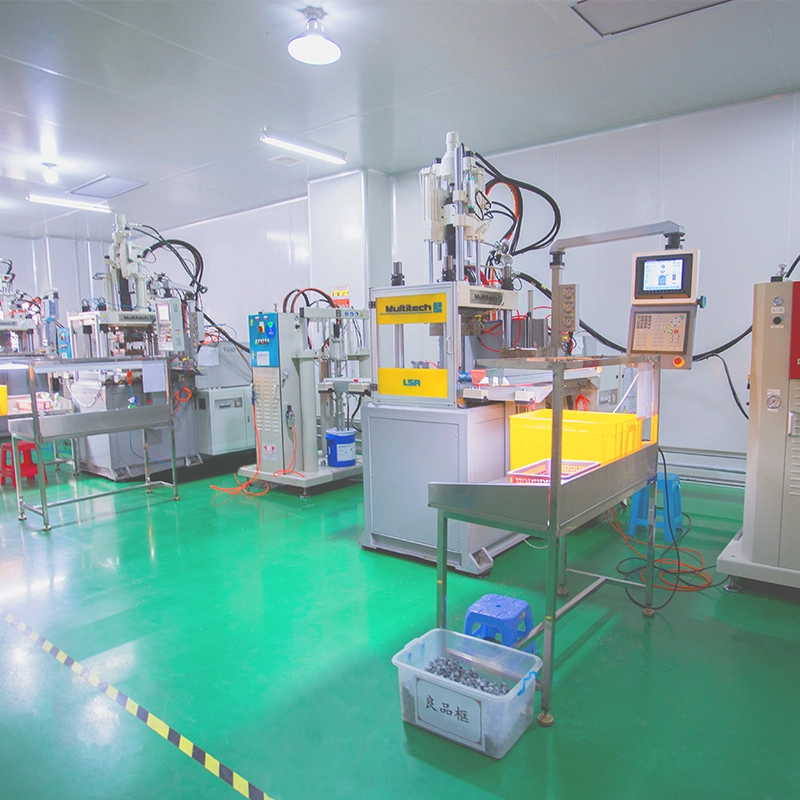
Most high-quality duckbills are produced by LSR injection molding for consistency and scale. Typical manufacturing steps:
- Tooling & DFM: Create multi-cavity LSR molds designed for consistent lip geometry and easy demolding. Design-for-manufacture ensures robust pop-in features if required.
- Material selection: Choose food-grade or cosmetic-grade platinum-cured LSR for beverage/food contact; specialty grades for chemical resistance.
- Injection molding: Metered two-component LSR is injected into heated cavities; automated shot control ensures consistent weight and slit formation.
- Post-cure: Parts are thermally post-cured to stabilize mechanical properties and remove low-molecular-weights.
- Trimming & inspection: Auto-deflashing or manual trimming; AOI (automated optical inspection) to verify slit profile and dimensional SPC for seating features.
- Functional testing: Crack-pressure profiling, leak/drool tests, and compatibility trials with the actual product formulation.
LSR molding yields excellent repeatability and low unit cost at scale—critical for packaging lines.
Comparing Prices Across Different Silicone Duckbill Valve Makers
Price variation occurs because of:
- Tooling investment: High-precision multi-cavity steel molds cost more up front but lower per-part cost at high volumes. Soft tooling or prototype molds are cheaper for small runs.
- Material grade: Food-grade or medical-grade LSR is pricier than commodity silicones or rubbers.
- Supplier location & capacity: Suppliers with automated LSR lines and AOI (often in major manufacturing regions) offer better unit pricing but may have minimums.
- Testing & certification: Suppliers that provide CoAs, extractables testing, and regulatory support (FDA/LFGB) charge a premium for documentation and controlled environments.
- Value-added services: Overmolding, assembly, packaging, and QC increase cost but reduce your downstream labor and risk.
When comparing quotes, ask for total landed cost (tooling amortized + per-part + QA) rather than just unit price.
Making the Right Choice with Silicone Duckbill Valve Applications
To pick the best duckbill supplier and design, evaluate:
- Your required cracking pressure range and flow profile.
- Chemical compatibility with the product (acidic sauces vs. solvents).
- Regulatory needs (food contact, cosmetics, medical).
- Expected production volumes and tooling amortization.
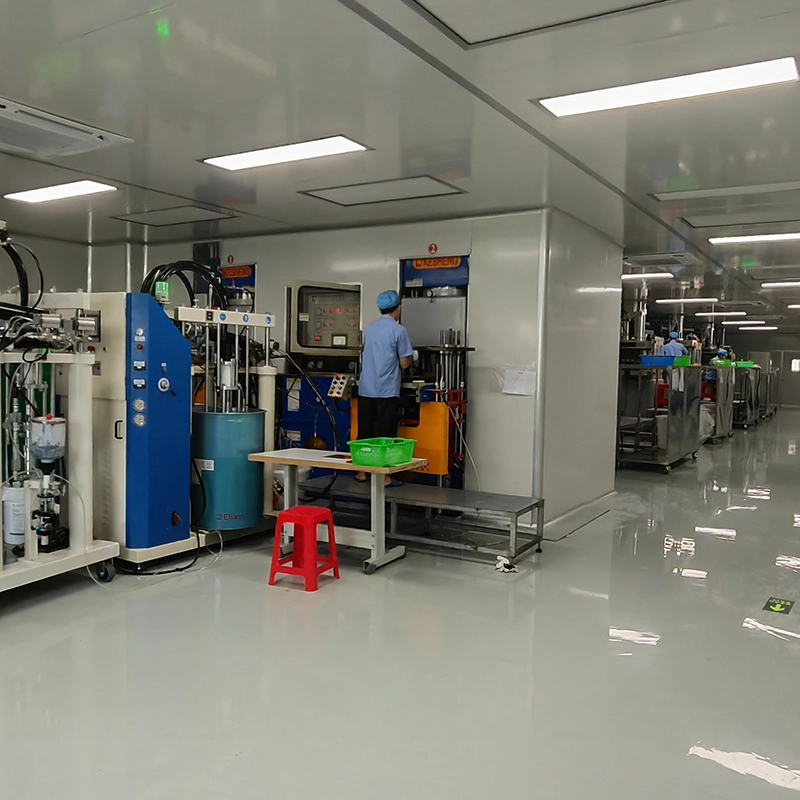
- Supplier capabilities: LSR injection molding, AOI, testing, traceability, and custom service.
Common Pairings: Flip Tops, PET Bottles, and Silicone Duckbills
Popular cap pairings:
- Flip-top caps: Pop-in duckbills fit inside the pour spout for single-handed dispensing.
- Sport / PET caps: Integrated duckbill seals provide leak-proof performance for active use and travel.
- Decorative or coated caps: Overmolded duckbills streamline assembly and improve shelf appearance.
Where Price Meets Quality: Smart Tips for Buyers
- Request production samples molded in final LSR grade and tested with your real product.
- Evaluate functional testing data (crack pressure, drool test).
- Insist on material CoAs and batch traceability for food/cosmetic uses.
- Consider total cost: tooling, per-part, testing, and the cost of potential field failures.
Conclusion
Silicone duckbill valves are versatile, cost-effective one-way valves used extensively in bottle packaging, flip tops, PET sport caps, and disposable cartridges. Their simple, reliable sealing behavior and compatibility with LSR injection molding make them an excellent choice for brands and OEMs that need leak-proof, hygienic dosing. At Siliconepartner we offer custom Silicone Duckbill Valves, full prototyping, production-grade LSR molding, and supplier-level custom service to help you select the right design and volume economics.
Looking for silicone duckbill valve? Feel Free To Contact Us !
If you’d like a feasibility review, sample, or quote, send your cap drawing, target cracking pressure, and target annual volumes — our engineering team will propose DFM changes, tooling options, and a costed plan.