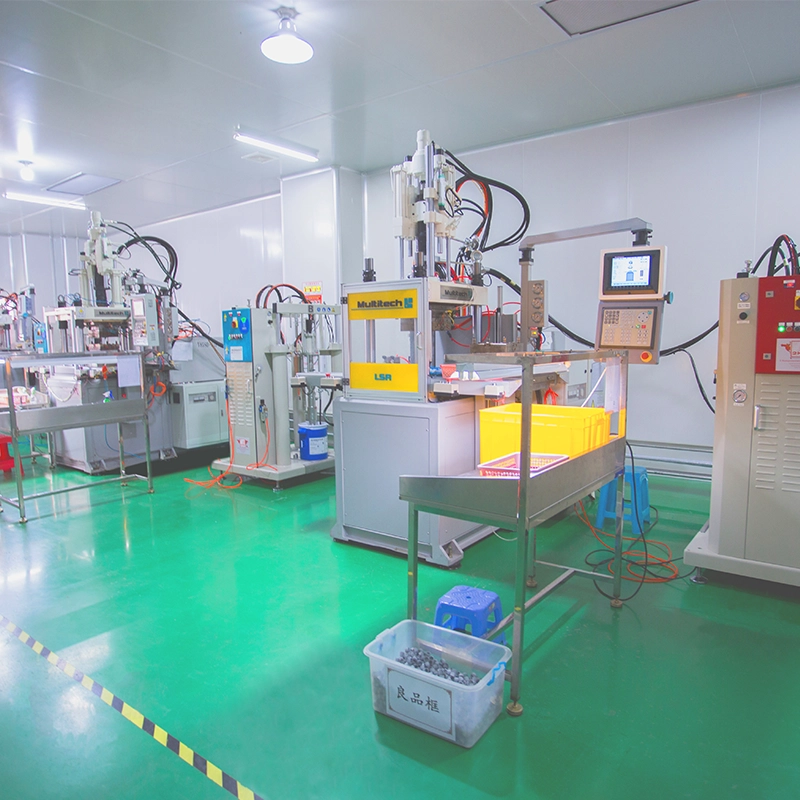
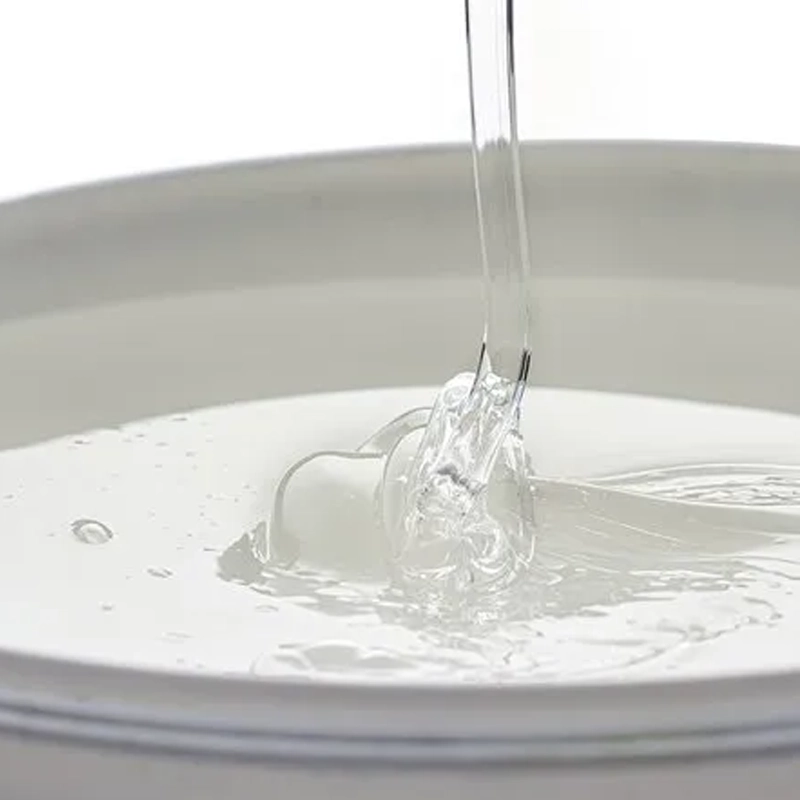
Choosing the right elastomer for a valve — whether you call it a valve, check valve, dispensing valve, or sealing element — is a system-level decision. Materials determine sealing reliability, chemical compatibility, temperature tolerance, lifecycle cost, and manufacturing options. At Siliconepartner we design and produce custom elastomeric components (including silicone cross slit valves, silicone dispensing valve solutions, and custom silicone valves) and help OEMs match material selection to application requirements. Below is a practical, engineering-focused comparison of the three most common elastomers used in valve manufacture: Silicone (VMQ/LSR), Fluorosilicone (FVMQ), and Nitrile (NBR).
1. Material Comparison
Silicone Valve (VMQ / LSR)
Silicone is prized for its wide temperature range, elasticity, and biocompatibility. Available as high-consistency rubber (HCR) or liquid silicone rubber (LSR), silicone is easy to mold into precise thin-walled geometries like cross-slits and pop-in valves. It resists ozone, UV, and many sanitizers, and medical- or food-grade compounds meet regulatory requirements.
Fluorosilicone Valve (FVMQ)
Fluorosilicone blends silicone’s temperature and low-compression-set benefits with improved resistance to fuels, oils, and hydrocarbons. FVMQ is a specialty elastomer used when silicone’s hydrocarbon weakness would cause swelling or degradation.
Nitrile Valve (NBR)
Nitrile (NBR or Buna-N) is the traditional choice for oil and fuel resistance, offering good mechanical strength and low cost. NBR is available in varied hardnesses and is widely used in automotive and industrial valves where hydrocarbon exposure dominates and extreme low-temperature flexibility is less critical.
2. Performance Comparison
1) Temperature Resistance
- Silicone: Excellent. Typical service from −60°C up to +200–230°C depending on grade. Ideal for hot-water, steam-clean cycles, and sterilization processes.
- Fluorosilicone: Similar high-temperature capability to silicone, though some FVMQ grades trade a bit of low-temp flexibility for hydrocarbon resistance.
- NBR: Limited. Typical continuous use up to about +100–120°C. Performance degrades at higher temperatures.
2) Chemical & Corrosion Resistance
- Silicone: Good to excellent for water, steam, acids, alkalis, and many cleaning agents. Poor with hydrocarbon solvents, fuels, and some oils.
- Fluorosilicone: Stronger resistance to fuels, oils, and solvents. Good choice for valves exposed to gasoline, hydraulic fluids, and solvent-based cleaners.
- NBR: Excellent oil and fuel resistance. NBR is a cost-effective choice for fuel handling, lubricants, and many hydraulic fluids.
3) Mechanical Properties
- Silicone: Outstanding elasticity and low compression set for long-term sealing. Tear strength moderate; selection of durometer can tune compliance.
- Fluorosilicone: Good elasticity with improved swelling resistance; slightly lower tensile/tear vs some silicones.
- NBR: Higher tensile strength and abrasion resistance; less elastic than silicone and greater permanent set under long compression.
4) Electrical Insulation
- Silicone: Very good dielectric properties; used where electrical insulation matters.
- Fluorosilicone: Also good, but specialty compounds vary.
- NBR: Good, but not as temperature-stable as silicone in extreme conditions.
5) Weather & Ozone Resistance
- Silicone: Superb resistance to ozone, UV, and outdoor aging.
- Fluorosilicone: Also resilient to ozone and weathering.
- NBR: Poorer long-term outdoor resistance; ages more quickly when exposed to ozone and sunlight unless protected.
3. Application Comparison
Silicone Valve Applications
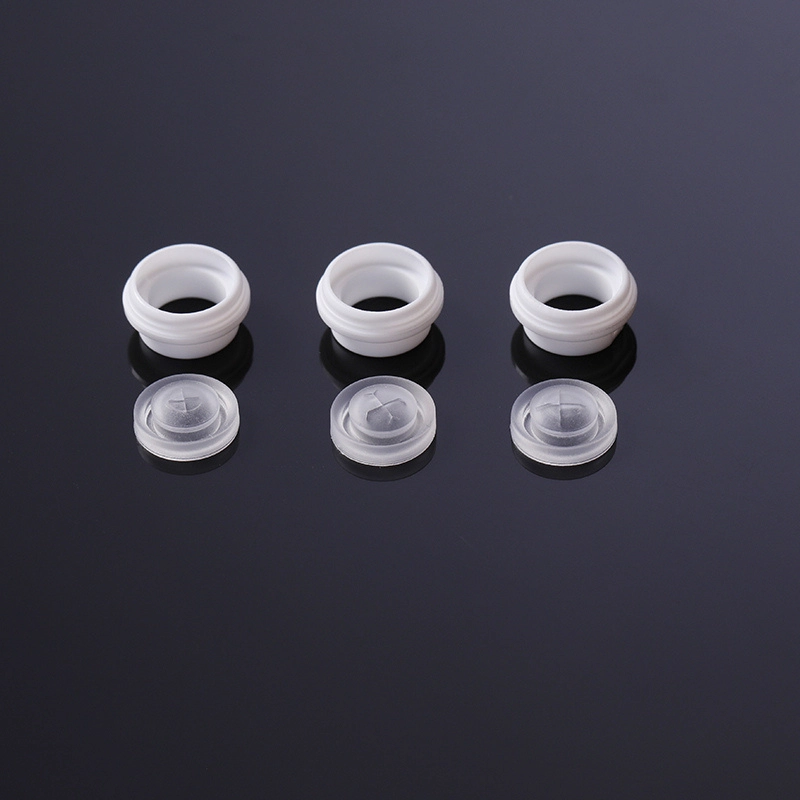
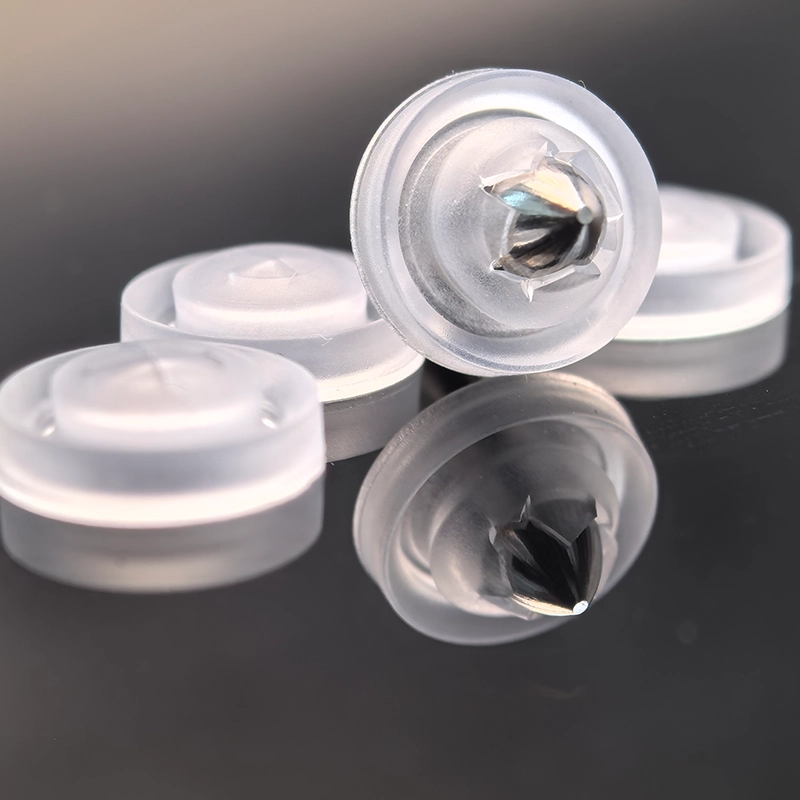
Best for medical breathing valves, food-contact dispensing valves, high- and low-temperature service, and any application requiring biocompatibility or sterilization. Typical product examples include silicone cross slit valve for condiment caps and respiratory one-way diaphragms.
Fluorosilicone Valve Applications
Ideal for valves operating in mixed environments where oil or fuel contact occasionally occurs but you still require wide temperature range and flexibility. Common in automotive vapor lines, fuel venting valves, and some pump components.
NBR Valve Applications
Preferred for industrial hydraulic seals, fuel-system valves, and applications prioritizing abrasion resistance and low cost. NBR is common in larger industrial check valves and oil-handling systems where extreme cold or sterilization is not required.
Conclusion
No single elastomer is universally “best.” Material choice depends on the operating envelope:
- Choose Silicone (LSR/VMQ) when temperature range, elasticity, hygiene, or sterilization are priorities. Silicone is the go-to for silicone dispensing valves and precision silicone cross slit valve designs.
- Choose Fluorosilicone (FVMQ) when you need silicone-like flexibility plus improved hydrocarbon resistance.
- Choose Nitrile (NBR) when oil/fuel resistance, mechanical wear resistance, and cost matter most.
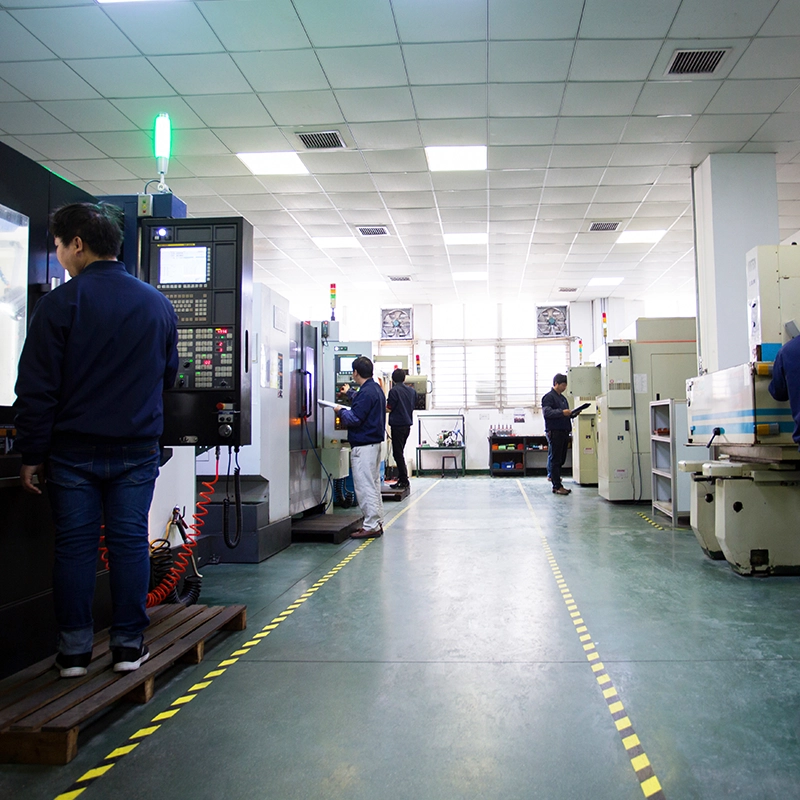
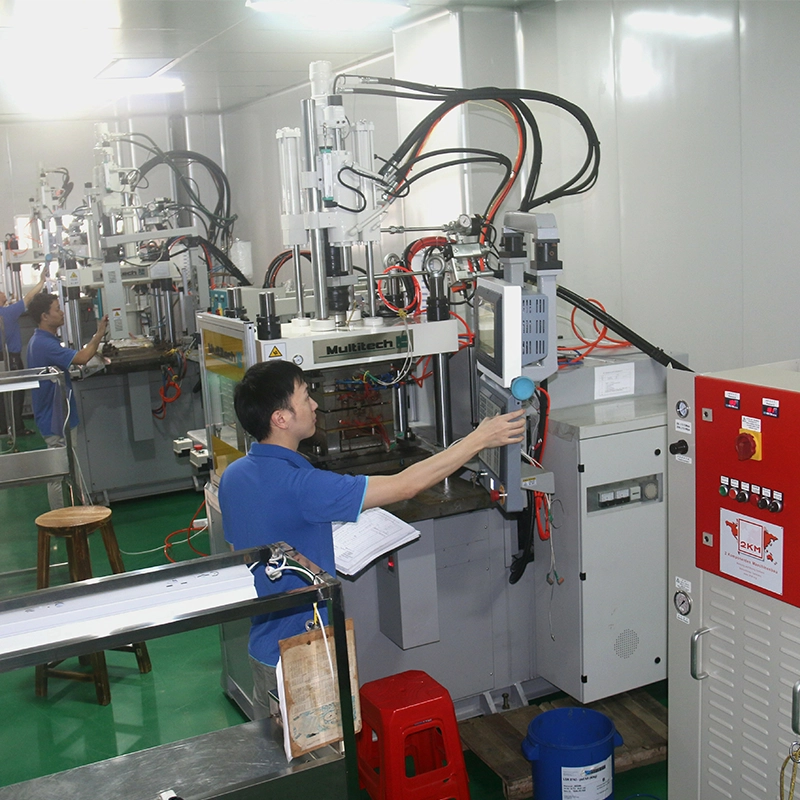
As a manufacturer and factory specializing in elastomeric valves, Siliconepartner offers end-to-end custom service: material selection, DFM, prototyping, LSR molding, and validation testing. If you’re evaluating valve materials for a new product or need a quote for custom silicone valve tooling and production, send us your specs and service conditions. Our engineering team will recommend the optimal material and manufacturing route so your valve performs reliably across its expected life.