When it comes to materials that make our daily lives easier, silicone and rubber are two of the most commonly used substances. From the kitchen to the baby care aisle, to the tools we use for work, these two materials have a massive presence. But what makes them different, and why should it matter to you? Whether you’re a product designer, an eco-conscious consumer, or someone just trying to figure out which one to choose for your next project, you’re in the right place!We’ll break down the key differences between silicone vs rubber, explore their advantages and disadvantages, and help you understand when it’s best to choose one over the other.
What Exactly Are Silicone and Rubber?
Before we dive into the details, let’s start with a simple definition of both materials. Silicone is a synthetic polymer made from silicon, oxygen, carbon, and hydrogen. It’s known for its flexibility, durability, and heat resistance, which makes it ideal for everything from kitchenware to medical devices.
Rubber, on the other hand, is derived from the sap of rubber trees (natural rubber) or made synthetically (synthetic rubber). It is known for its elasticity and ability to stretch and return to its original shape. It’s commonly used in items like tires, gaskets, and seals.
So, what’s the big deal? Let’s break it down.
Silicone Material Advantages vs Rubber Material Properties
1. Durability of Silicone: A Long-Term Investment
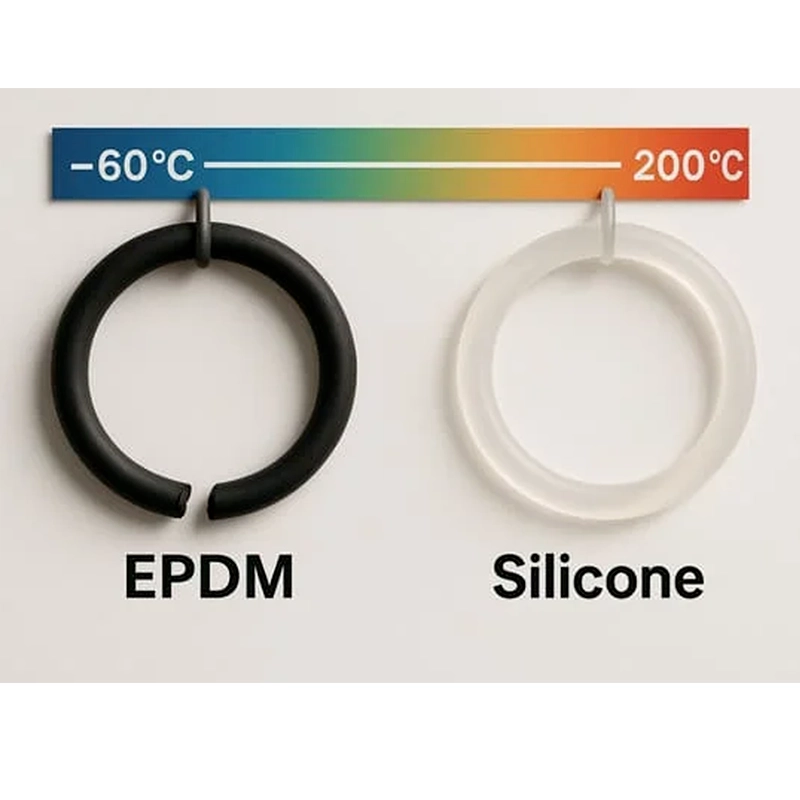
One of the silicone material advantages is its durability. Silicone has an incredibly long lifespan. Unlike rubber, which can crack and degrade over time, silicone can endure extreme temperatures (both high and low) without losing its shape or effectiveness. This makes it ideal for everyday use items like baking mats, baby products, and medical equipment. Food-grade silicone, for example, can last for years without showing wear and tear, even after many uses.
In contrast, rubber tends to degrade faster when exposed to UV rays, ozone, or chemicals. If you’ve ever noticed your rubber mats, gaskets, or seals start cracking and breaking after a few seasons, you’ve experienced rubber’s vulnerability to long-term exposure.

2. Food-Grade Silicone vs Rubber: Which Is Safer for Your Family?
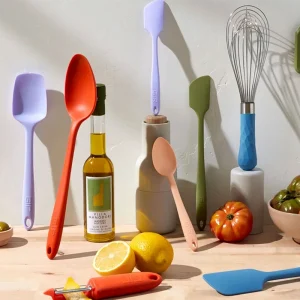
If you’re concerned about your health, you’ll want to consider food-grade silicone over rubber, especially in cooking and baby products. BPA-free silicone is non-toxic, hypoallergenic, and safe for food contact, making it a popular choice for kitchen tools like spatulas,pet toys, and even baby bottles.
Rubber, while also non-toxic, can sometimes contain harmful chemicals like phthalates, which can leach into food or drink if not carefully regulated. Plus, rubber can have an odor that silicone doesn’t—making silicone a better choice for products that come into direct contact with food or babies.
3. Eco-Friendly Silicone vs Rubber: Which is Better for the Planet?
When it comes to sustainability, eco-friendly silicone has the upper hand. While rubber is derived from natural sources (latex), its processing can have significant environmental impacts. On the other hand, silicone is more environmentally friendly to produce and can be recycled (depending on local facilities).
If you’re designing or purchasing products for a green business, silicone offers a more sustainable alternative. With a longer lifespan and more recyclability, it’s an eco-conscious option, whether you’re using it for kitchen products, medical devices, or consumer goods.
Rubber vs Silicone for Baby Products: What’s the Best Option?
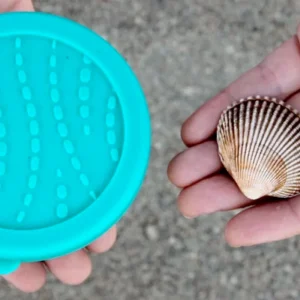
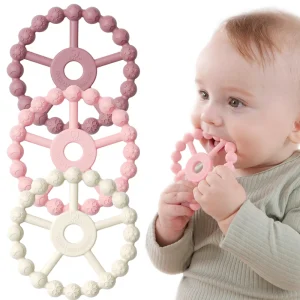
When it comes to babies, safety is paramount. This is where silicone truly shines. From silicone baby teethers to silicone feeding spoons, these products are designed to be BPA-free, non-toxic, and free from harmful chemicals. Unlike rubber, silicone doesn’t leach chemicals into food or drink, making it the go-to material for baby care.
Rubber baby products, like pacifiers or teething rings, may contain small amounts of latex, which some babies may be allergic to. Plus, rubber can wear down more quickly, meaning it may not be as durable or long-lasting as silicone, which can handle the wear and tear of teething without cracking.
Custom Silicone Solutions: Tailored to Your Business Needs
If you’re a business looking for unique, custom silicone solutions, you’re in luck! SiliconePartner specializes in designing and manufacturing custom silicone products to meet the specific needs of your brand. Whether it’s silicone kitchenware, medical accessories, or baby products, we provide tailor-made solutions that are both durable and safe for your customers.
Our team works closely with you to create the best custom silicone products, ensuring they meet all necessary quality and safety standards, from BPA-free silicone to ensuring that your items are heat-resistant, waterproof, and non-toxic. Whether you’re in the food industry, medical sector, or baby care market, we’ve got you covered with high-quality products that deliver.
Conclusion: Silicone vs Rubber – Which Is Right for You?
So, when should you choose silicone over rubber? It comes down to the specific needs of your product. If you need a material that’s durable, safe for food, eco-friendly, and long-lasting, silicone is the way to go. Whether you’re designing custom silicone products for your business or looking for everyday silicone for everyday use, this versatile material is hard to beat.
On the other hand, if you’re working on projects that require elasticity, shock absorption, or weather resistance (like tires or seals), rubber might be more suitable. But for those looking for safe, reliable, and long-lasting products—whether for baby care, kitchen tools, or medical devices—silicone is the smarter choice.
Looking to design your own custom silicone solutions? Let SiliconePartner help! With our expertise in creating custom silicone products for all industries, we ensure you get the perfect product for your business needs.