
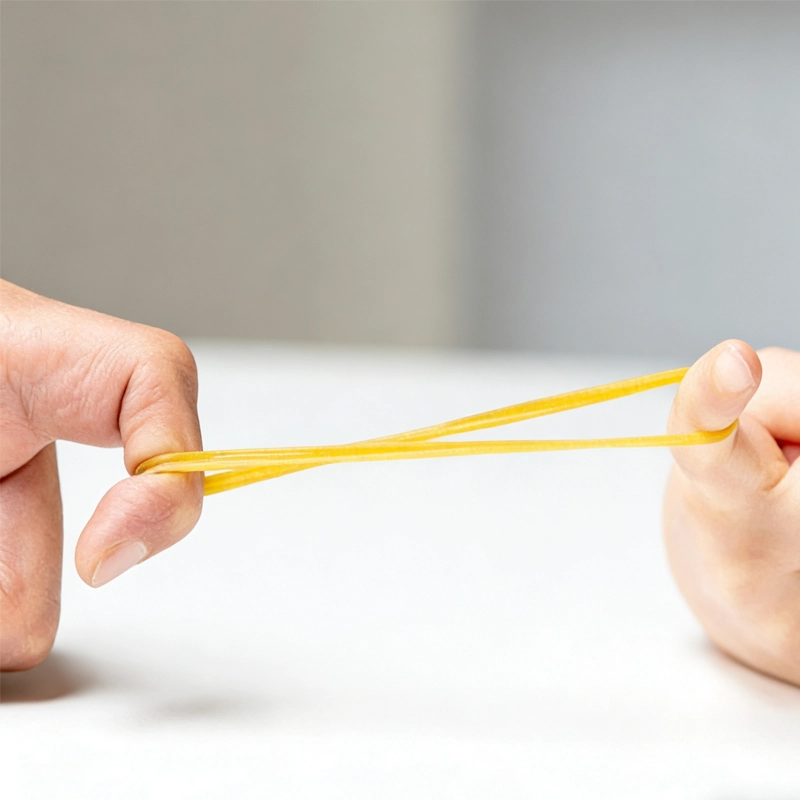
Rubber is everywhere — from the tires on your car to the seals on your dishwasher. But how do engineers know that the rubber used will perform under pressure? The key lies in tensile strength. If you’ve never heard of it, you’re not alone. But understanding what tensile strength means is vital if you’re in any industry that uses rubber products. So, let’s dive into what this term means, how it affects performance, and why it matters for your next project.
What Is Tensile Strength and Why Should You Care?
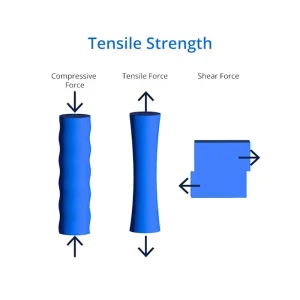
Tensile strength refers to how much stretching force a material, in this case, rubber, can handle before it starts to break apart. Think of it like rubber’s “breaking point.” If the tensile strength is too low, the rubber might tear or deform under normal pressure. On the flip side, if it’s too high, the rubber could become too rigid, reducing its flexibility. So, why is this important? It’s simple — when you’re designing a product that needs rubber, you need to make sure it won’t fail when put to the test. Whether it’s a tire, a gasket, or a shock absorber, tensile strength ensures the rubber does its job and lasts.
The Impact of Tensile Strength on Product Performance
A product’s overall performance can be heavily influenced by the tensile strength of the rubber used. Take a tire, for example. A tire with insufficient tensile strength could wear out too quickly or even fail, leading to unsafe driving conditions. Meanwhile, high tensile strength ensures the tire maintains its shape under high pressure, improving durability and safety. In applications like seals or gaskets, a lower tensile strength might be acceptable if the rubber needs to expand and contract. But too much strength could result in poor sealing performance or premature failure. So, understanding the right tensile strength for each application can make or break a product’s effectiveness.
How to Measure the Tensile Strength of Rubber?
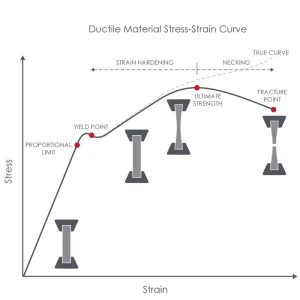
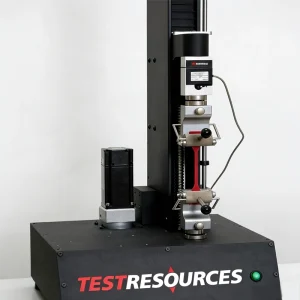
Measuring the tensile strength of rubber isn’t as complex as it sounds. The process generally involves the tensile test, where a rubber sample is placed in a machine that pulls it apart at a steady rate until it breaks. The machine records how much force is applied to the material and how much it stretches. This provides a stress-strain curve, which is then used to determine the rubber’s tensile strength. The key metrics here are:
-
Ultimate tensile strength — the maximum stress the rubber can handle before breaking.
-
Elongation at break — the amount the rubber can stretch before it tears.
A properly conducted tensile test follows standards from ASTM (American Society for Testing and Materials) and ISO to ensure consistency across industries.
How Does Tensile Strength Differ Across Rubber Types?
Not all rubbers are created equal. Depending on the type, the tensile strength can vary significantly. Here’s a quick breakdown:
-
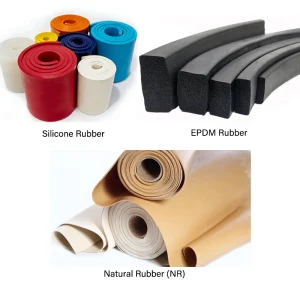
Natural Rubber (NR): Known for its excellent tensile strength and elasticity, making it ideal for applications like vehicle tires and industrial gaskets.
-
Silicone Rubber: While it may not have the highest tensile strength, silicone excels in flexibility and heat resistance, making it great for food-grade products or medical devices.
-
EPDM Rubber: This synthetic rubber type offers fantastic resistance to weather and ozone, though its tensile strength isn’t as high as that of natural rubber. It’s perfect for seals and outdoor applications.
Choosing the right type of rubber for your needs ensures your product meets the performance standards required for success.
Can You Customize the Tensile Strength of Rubber?
The beauty of rubber lies in its versatility. You can modify the tensile strength by adjusting the composition. For example, adding fillers like carbon black can increase strength and durability, which is especially useful in high-stress applications such as tires. On the other hand, plasticizers can make the rubber softer and more flexible, ideal for seals and soft-touch applications. The process of vulcanization — where heat and chemicals are applied to crosslink the rubber’s molecular structure — also plays a crucial role in determining the final tensile strength.
So, whether you need rubber that’s tough as nails or more flexible than a gymnast, there’s always a way to tweak its strength to suit your needs.
Testing the Tensile Strength of an Existing Rubber Product
If you’re working with an existing rubber product and you want to know how it will hold up under pressure, you’ll want to run a tensile test. This involves taking a sample from the product and placing it in a universal testing machine (UTM). Depending on the results, you can then decide if any changes need to be made. Factors like environmental exposure, wear and tear, and the type of stress it faces are all considered when testing. Make sure to test in conditions that closely match real-world use to get accurate results.
Tensile Strength and Finite Element Analysis (FEA)
Now, let’s talk Finite Element Analysis (FEA), a powerful simulation tool used by engineers. FEA helps predict how materials will perform under stress, including how they’ll stretch and deform. When you input accurate tensile strength values into an FEA model, you get a detailed visual representation of where your rubber might fail, allowing you to optimize your design before manufacturing. It’s like taking the guesswork out of product design and saving a lot of time and resources.
Rubber Strength Solutions at SiliconePartner
If you’re searching for rubber that’s perfectly suited to your project’s tensile strength needs, look no further than SiliconePartner. With a wide range of rubber types and formulations, we offer tailored solutions to meet the demands of any application, from automotive parts to medical devices. Our team of experts can help you choose the right material and even modify its properties to ensure it meets your exact performance requirements.