
At Siliconepartner, we help brands, buyers, and product developers choose the right silicone hardness for products that must feel comfortable, perform reliably, and meet real-world production requirements. When people ask what Shore hardness means for custom silicone products, they are really asking how soft or firm the final product will be, and how that choice affects usability, durability, and manufacturing performance.
For B2B buyers, Shore hardness is not just a technical number on a datasheet. It is a key decision that influences product feel, sealing performance, compression behavior, grip, safety, and customer satisfaction. That is why understanding it early can save time, reduce sampling cycles, and help you choose the right material for the right job.
One-Sentence Definition
Shore hardness is the standardized measurement used to describe how soft or firm a silicone material is, which helps determine how the final product will feel and perform.
What Shore Hardness Means in Silicone Manufacturing
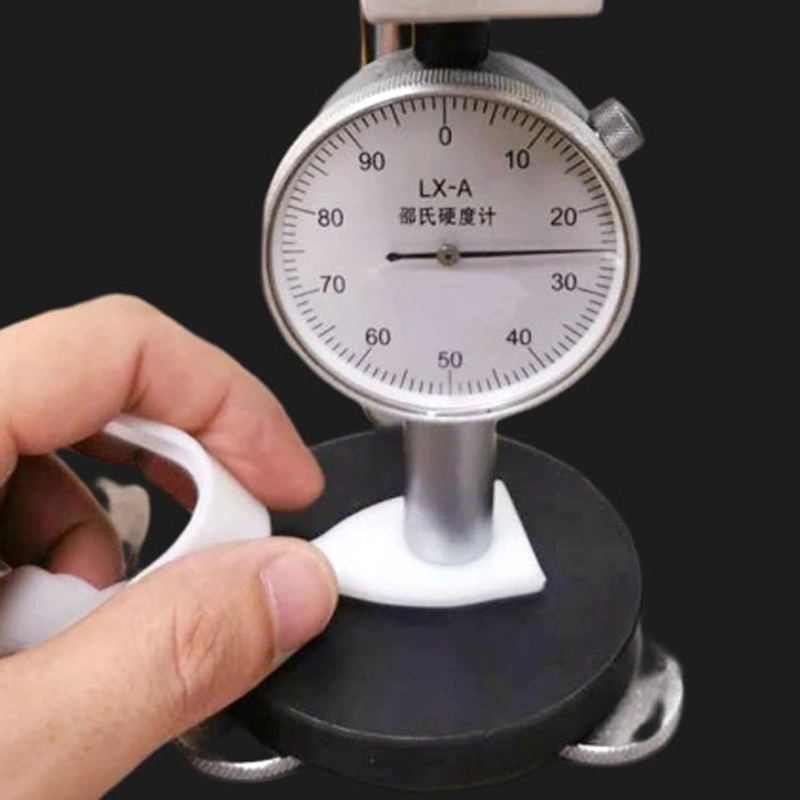
Shore hardness is measured with a durometer, and for silicone products, the most common scale is Shore A. The lower the number, the softer the silicone. The higher the number, the firmer it feels.
For example:
- Lower Shore A values create a softer, more flexible product
- Higher Shore A values create a firmer, more structured product
In silicone manufacturing, this measurement matters because it affects how a product performs during compression, stretching, bending, sealing, and repeated use. A silicone item with the wrong hardness may feel too floppy, too stiff, or simply unsuitable for its intended application.
Common Application Scenarios
Different silicone products require different hardness ranges depending on how they are used.
Custom Silicone Products for Kitchen Solution
For kitchen products, softness and flexibility are often important because users expect comfort, easy handling, and non-scratch performance. Silicone spatulas, baking tools, lids, and mats typically need a balanced Shore hardness that offers enough flexibility without losing structure.
A product that is too soft may collapse or lose shape. A product that is too hard may feel uncomfortable or fail to seal properly. That is why custom silicone products for kitchen solution should always be matched to the exact use case.
Custom Silicone Products for Baby Care Solution
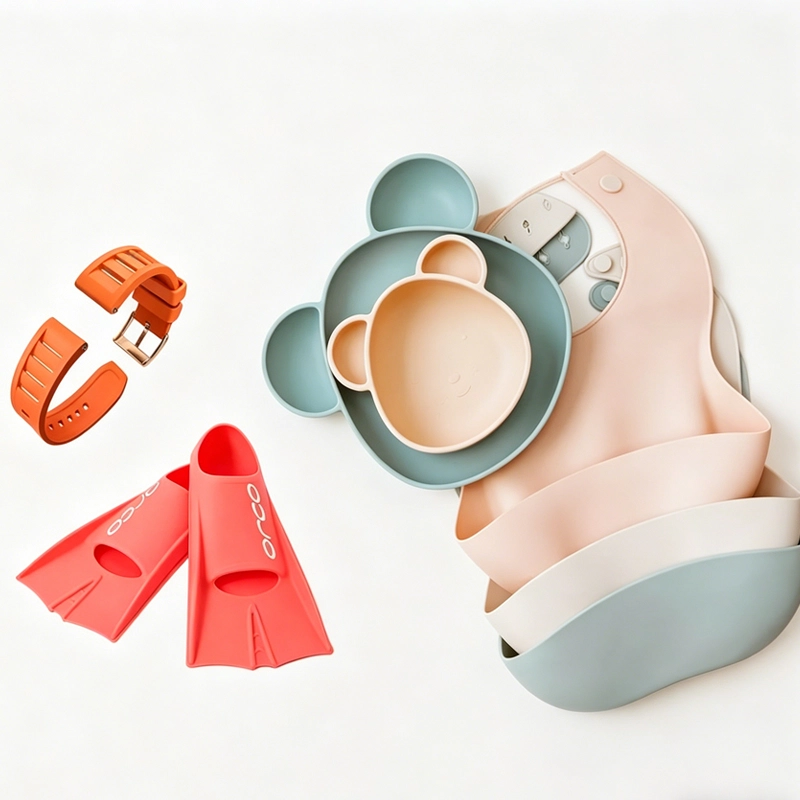
For baby products, safety and comfort are even more important. Teethers, feeding items, and soft-grip accessories usually need a gentler feel with a carefully controlled hardness level. Products that are too firm may be uncomfortable for babies, while overly soft materials may not provide the intended shape or function.
That is why custom silicone products for baby care solution require careful material selection, testing, and consistency from a trusted factory.
Pros and Cons of Different Shore Hardness Levels
Softer Silicone
Soft silicone is excellent for comfort, grip, flexibility, and cushioning.
Advantages:
- Pleasant hand feel
- Better compression and sealing
- Gentle contact for baby and food products
- Good for flexible shapes and soft-touch surfaces
Disadvantages:
- Can feel less structured
- May deform more easily
- May require more careful mold design
- Not always ideal for load-bearing or precision-fit parts
Firmer Silicone
Firmer silicone is better for structural stability and shape retention.
Advantages:
- Better dimensional stability
- Stronger form retention
- More suitable for parts that must hold shape
- Often easier to handle in assembly
Disadvantages:
- Less soft or cushioned
- May feel less comfortable in hand
- Not ideal for products that require a gentle touch
- Can reduce flexibility in sealing or bending applications
Shore Hardness Compared With Similar Concepts
Shore hardness is often confused with other material terms, but it is not the same as strength, density, or elasticity.
Shore Hardness vs. Strength
Hardness tells you how firm the silicone feels. Strength tells you how much force it can withstand before breaking. A soft silicone product can still be strong, and a firm silicone product is not automatically stronger.
Shore Hardness vs. Elasticity
Elasticity describes how well a material returns to its original shape after stretching or compression. Two silicone products may have the same hardness but still behave differently because of differences in formulation.
Shore Hardness vs. Density
Density measures how much material mass is contained in a given volume. It does not directly tell you how soft or hard the silicone feels.
For procurement teams, this distinction is important. When comparing samples from different suppliers, do not rely on appearance alone. Ask for actual hardness data and test methods.
How to Choose the Right Shore Hardness
The right hardness depends on the product’s purpose, user experience, and production requirements.
Ask These Questions Early
- Will the product be squeezed, bent, or compressed?
- Does it need a soft touch or a rigid structure?
- Will it contact skin, food, or delicate surfaces?
- Does it need to return to shape after repeated use?
- Will it be used by adults, children, or in industrial settings?
A good manufacturer will not simply ask what hardness you want. They will help you connect the hardness range to the product function, mold design, and target market.
Match Hardness to Product Category
- Kitchen products: often need balanced softness and shape retention
- Baby care products: often need softer, safer-feeling silicone with controlled flexibility
- Industrial parts: may need firmer silicone for structure and long-term performance
- Sealing components: often need a specific compression profile rather than just a “soft” feel
Purchasing Advice for B2B Buyers
When sourcing silicone products, Shore hardness should be part of your early technical discussion, not an afterthought. Ask your factory to provide hardness options, sample comparisons, and production tolerances before tooling is finalized.
Here is what to check when sourcing:
- Confirm the hardness range in Shore A
- Ask how the hardness affects wall thickness and shape stability
- Request samples at different hardness levels
- Verify material consistency across production batches
- Check whether the hardness matches your end-use environment
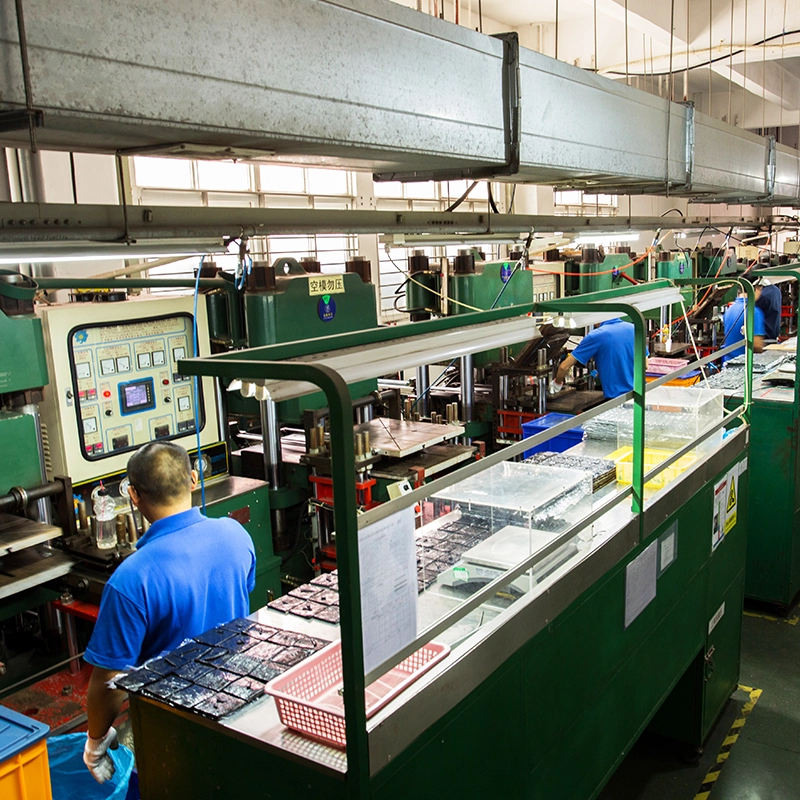
A reliable factory should be able to guide you through all of this. At Siliconepartner, we support customers with material selection, sampling, and full OEM development so they can choose the right hardness before mass production begins.
Conclusion
Shore hardness is one of the most important technical factors in custom silicone products because it directly affects how a product feels, performs, and lasts. Whether you are developing a kitchen item, a baby product, or another silicone component, the right hardness choice can improve comfort, safety, and product consistency.
At Siliconepartner, we help customers develop the right material solution for each project, including custom silicone products for kitchen solution and custom silicone products for baby care solution. As an experienced factory and manufacturer, we work closely with buyers to balance softness, durability, and performance for real-world applications.
If you are planning a new silicone project, share your product idea, target use, and preferred feel with us. We would be glad to help you identify the right Shore hardness and turn your concept into a high-quality product.