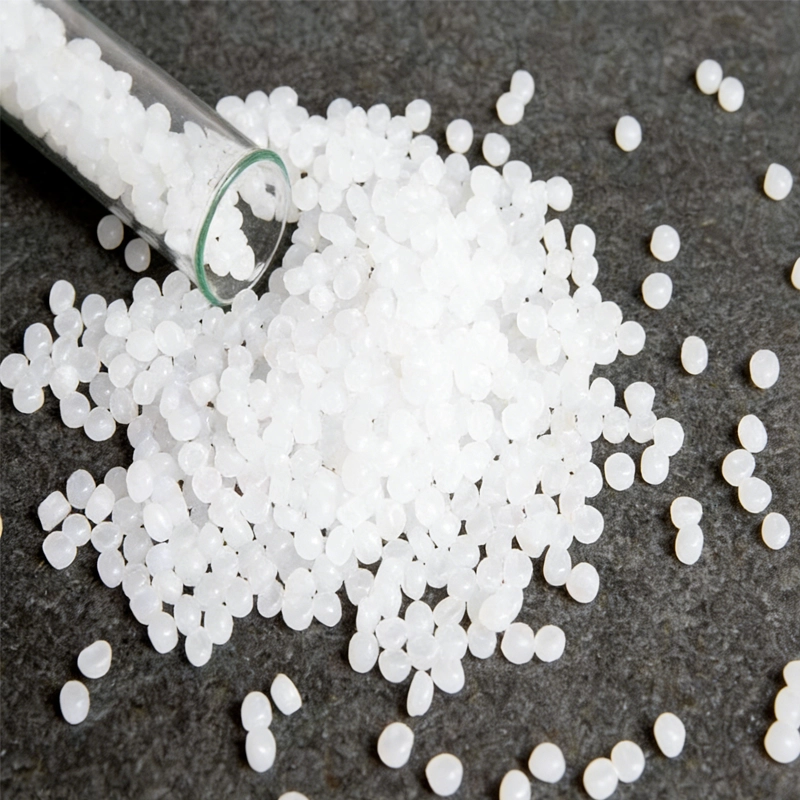
If you’re in the silicon materials industry, then you’ve probably felt the heat. Prices for silicone raw materials, especially those for single crystal and silicon wafers, have been on the rise for months. And guess what? They’re not showing signs of slowing down anytime soon. In fact, the latest reports show prices for products like silicon-based raw materials are surging as high as 130 RMB per kilogram! The question everyone is asking is: why?
A Global Price Hike: The Story Behind the Numbers
The price hikes are nothing new. As early as 2021, the silicon industry saw its first wave of price increases, but this time, it’s different. According to global silicon industry data, last week’s deals showed a price jump of 4%-5% across various categories of silicon materials, including re-melted silicon, monocrystalline dense materials, and cauliflower silicon.
The highest prices reached as much as 130,000 RMB per ton for single crystal re-melted silicon, with an average price hovering around 127,300 RMB per ton. Meanwhile, the prices for single-crystal dense materials and cauliflower silicon stood at 124,300 RMB per ton and 120,700 RMB per ton, respectively.
To add fuel to the fire, LONGi, the top dog in the silicon wafer market, has been raising its prices in 2023. For example, their 158mm and 166mm wafers jumped by 0.1 RMB to 3.65 RMB and 3.75 RMB, respectively, and their 182mm wafers saw a price increase of 0.12 RMB to 4.56 RMB. This is the third price hike by LONGi this year, underscoring a trend that’s rapidly becoming the new normal in the solar industry.
Why Are Prices Skyrocketing? Supply Chain Woes and Increased Demand
So, what’s driving this price surge? Well, it all comes down to the classic law of supply and demand. The demand for silicon is so high right now that it’s putting significant strain on supply chains. According to industry insiders, the primary issue is that supply can’t keep up with the booming demand, and this is the reason behind the price hikes.
One head of a major solar module company shared their frustration with the current state of affairs, explaining how prices for solar modules have risen from 1.4 RMB per watt in the second half of last year to 1.8 RMB per watt this year. A lot of this is due to the ongoing price increases in upstream silicon materials. The market is tight, and companies are left with few options.
But wait—there’s more! Typically, Q1 is the slow season in the industry, but this year, it’s been far from “slow.” In fact, it’s been one of the hottest markets in recent memory, leaving the silicon supply unable to meet demand. In a nutshell, we’re in the middle of a classic supply-demand crunch, and the result is higher prices across the board—from raw materials to finished products.
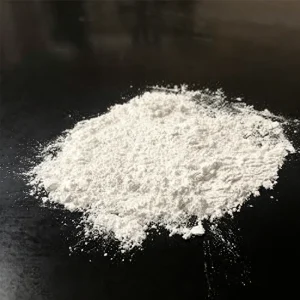
The Ripple Effect: Higher Costs in Solar Panels and EPC Projects
The chain reaction doesn’t stop at silicon materials; it’s affecting every step of the production process. For example, solar cell prices and module prices are on the rise, too. As silicon material prices go up, so does the cost of silicon wafers, solar cells, and modules.
Even EPC (Engineering, Procurement, and Construction) companies in the solar industry are feeling the heat. Some are postponing tenders or delaying construction projects due to rising costs.
From an industry-wide perspective, the issue can be traced back to the ongoing shortage of raw materials. As one source from the Chinese Nonferrous Metals Industry Association’s Silicon Industry Branch put it, the price fluctuations in silicon materials are mainly driven by supply and demand. Silicon prices remain high, and this trend has a direct impact on other parts of the solar production chain, leading to higher prices for wafers, cells, and modules.
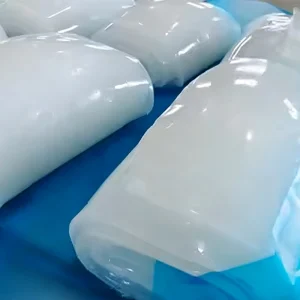
A Silver Lining in the Silicone Industry?
While this price surge is certainly a challenge, companies like Siliconepartner are navigating these turbulent waters with finesse. As an industry leader in providing high-quality silicone houseware and pet products, Siliconepartner is committed to maintaining competitive prices and ensuring a reliable supply of materials for our partners. With a solid supply chain in place and a deep understanding of market dynamics, we’re ready to continue supporting industries like solar—and we’re equally passionate about delivering top-quality products like silicone basting brushes, silicone spatulas, and silicone pet toys to meet the needs of our diverse customer base—no matter how high prices go.

Conclusion: The Future of the Silicone Market
The surge in silicon material prices is a wake-up call for the industry. While it’s easy to get caught up in the price increases, it’s important to keep in mind the fundamental forces driving the changes—demand is outpacing supply, and companies are scrambling to meet the market’s needs. This won’t last forever, but for now, it’s clear that companies need to stay flexible, build strong relationships, and stay informed about price trends.
At Siliconepartner, we understand these market shifts, and we’re committed to providing high-quality silicone materials that help you thrive, no matter the market conditions. Don’t let the price hikes slow you down—partner with us for a steady supply of the materials you need to keep your projects on track.